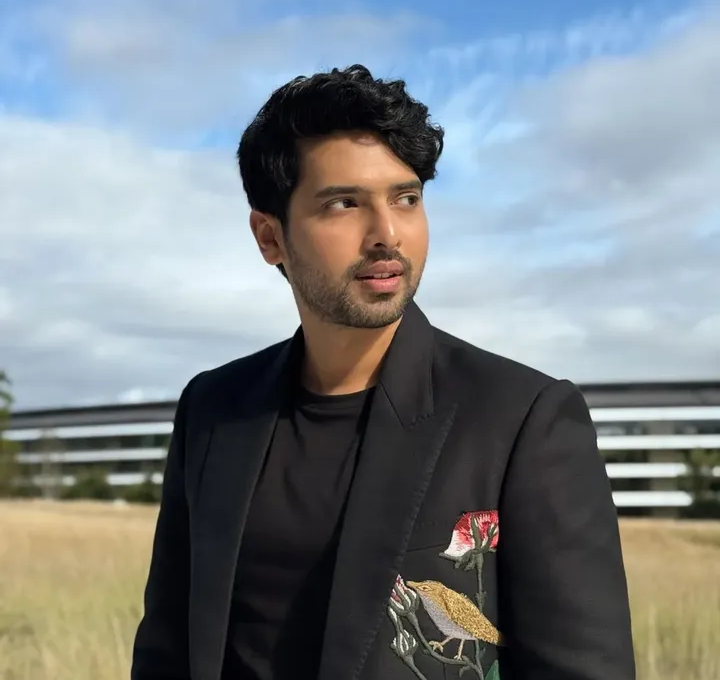
Who is Armaan Malik?
Today let’s talk about Armaan Malik Biography: In the ever-evolving landscape of Indian music, few young artists have captured hearts across generations and geographies quite like Armaan Malik. With a voice that effortlessly glides from soulful ballads to upbeat dance numbers, this talented singer represents the perfect blend of classical training and contemporary sensibility. His journey from a child artist to one of Bollywood’s most sought-after playback singers, and now to an emerging international pop artist, is a story of talent, dedication, and the courage to dream beyond boundaries.
Armaan Malik Biography
Armaan Malik Musical Legacy Begins
Armaan Malik was born on July 22, 1995, in Mumbai, India, into a family where music was not just a profession but a way of life. He is the son of Daboo Malik, a well-known music composer and arranger in the Hindi film industry, and the nephew of the legendary music director Anu Malik. Growing up in such a musically rich environment meant that Armaan was surrounded by melodies, rhythms, and the craft of music-making from his earliest days. The sounds of recording sessions, the discussions about musical arrangements, and the presence of accomplished musicians were all part of his childhood landscape.
However, being born into a musical family was both a blessing and a responsibility. While it provided Armaan with unprecedented access to the world of music and invaluable mentorship, it also meant that expectations were high and comparisons inevitable. From a very young age, it was clear that Armaan possessed a special gift. His voice had a natural sweetness and clarity that caught the attention of everyone who heard him sing. His family recognized this talent and ensured he received proper training, understanding that raw talent needed to be nurtured and refined through discipline and practice.
Armaan’s early education in music was comprehensive and rigorous. He received training in Hindustani classical music, which gave him a strong foundation in ragas, scales, and the intricate ornamentations that characterize Indian classical singing. This training would later prove invaluable, giving his voice the flexibility and control that would set him apart from many of his contemporaries. Alongside classical training, he was also exposed to Western music, learning about different genres, vocal techniques, and styles from around the world.
Armaan Malik Child Star’s Beginning
Armaan’s entry into professional music came remarkably early in his life. As a child artist, he participated in the popular singing reality show “Sa Re Ga Ma Pa L’il Champs” in 2006 when he was just eleven years old. This television appearance introduced him to a national audience and showcased his precocious talent. While he didn’t win the competition, the exposure was invaluable, and it marked the beginning of his journey in the public eye. The experience of performing under pressure, receiving feedback from judges, and competing with other talented young singers taught him important lessons about the music industry.
During his teenage years, Armaan continued to hone his craft, working on his technique, expanding his repertoire, and waiting for the right opportunity to make his mark in Bollywood. These were crucial years of development, where he transitioned from a child singer to a young man with a mature voice capable of handling the emotional complexity that playback singing demands. He also began to develop his own musical identity, understanding what kind of singer he wanted to become and what emotions he could convey most effectively through his voice.
His brother, Amaal Mallik, who would become a successful music composer in his own right, was both a companion and collaborator during these formative years. The two brothers shared a deep bond over music, often working together, critiquing each other’s work, and pushing each other to improve. This sibling partnership would later prove to be one of the most successful collaborations in contemporary Bollywood music.
Armaan Malik Bollywood Breakthrough
Armaan Malik’s breakthrough in Bollywood playback singing came in 2014 with the song “Tumko Toh Aana Hi Tha” from the film “Jai Ho,” composed by Sajid-Wajid. However, it was his collaboration with his brother Amaal Mallik on the song “Main Hoon Hero Tera” from the film “Hero” in 2015 that truly established him as a force to be reckoned with. This romantic ballad became an instant hit, topping charts across the country and introducing mainstream audiences to Armaan’s distinctive voice. The song’s success was not just about its melody but about how Armaan’s voice conveyed the innocence and intensity of young love.
Following this success, there was no looking back. Armaan became one of the most in-demand playback singers in Bollywood, working with virtually every major music director in the industry. His voice became synonymous with romantic songs, and music directors discovered that his vocal quality brought a special tenderness to love ballads. Songs like “Sab Tera” from “Baaghi,” “Wajah Tum Ho” from the film of the same name, “Pehla Pyaar” from “Kabir Singh,” and “Chale Aana” from “De De Pyaar De” became massive hits, each showcasing different facets of his vocal ability.
What set Armaan apart from many of his contemporaries was the purity and clarity of his voice. In an era when many singers relied on heavy production and electronic manipulation, Armaan’s voice had a natural quality that needed minimal enhancement. His classical training gave him the technical control to handle complex melodies with ease, while his understanding of contemporary sensibilities ensured that his singing felt modern and relevant. He could convey deep emotion without oversinging, and his restraint and subtlety became his signature style.
Armaan Malik Versatility Across Languages and Genres
While Armaan initially gained fame through Hindi film songs, he quickly demonstrated that his talent transcended linguistic boundaries. He began singing in multiple Indian languages including Telugu, Kannada, Tamil, Bengali, and Marathi, adapting his style to suit the musical traditions of each region. This versatility opened up new markets and established him as a pan-Indian artist rather than just a Bollywood singer. His Telugu songs, in particular, became extremely popular, and he developed a significant fan following in South India.
Armaan’s willingness to experiment with different genres also distinguished him from singers who remained confined to one style. While romantic ballads remained his forte, he proved equally capable with upbeat dance numbers, devotional songs, and even peppy youth anthems. Songs like “Buddhu Sa Mann” showed his playful side, while tracks like “Ghar Se Nikalte Hi” demonstrated his ability to handle different emotional registers. This versatility made him valuable to music directors who knew they could rely on him for various types of songs.
His approach to each song was marked by careful preparation and emotional investment. Armaan has often spoken about how he tries to understand the character and situation for which he’s singing, attempting to embody those emotions in his voice. This actor’s approach to playback singing meant that his renditions felt authentic and connected, resonating with listeners who could feel the sincerity in his voice.
Armaan Malik International Dream
As Armaan’s career in India flourished, he began nurturing a dream that few Indian playback singers had seriously pursued—breaking into the international English-language pop music scene. This was an ambitious goal that required him to step out of his comfort zone and compete in a market where he had no established reputation. However, Armaan was determined to prove that an Indian artist could succeed in global pop music on his own terms.
In 2020, Armaan released his debut English single “Control,” which marked his formal entry into the international pop scene. The song showcased a different side of his artistry, with Western pop production values and English lyrics, yet retaining the melodic sensibility that characterized his work. This was followed by other English singles including “Next 2 Me,” “You,” and “How Many.” Each release demonstrated his growth as an international artist and his ability to adapt to different musical contexts while maintaining his unique identity.
Armaan’s international ambitions weren’t just about personal achievement; they represented a broader aspiration to put Indian artists on the global pop map. He has spoken eloquently about wanting to show the world that Indian singers can compete at the highest levels across genres and languages. His journey has inspired many young Indian artists who now see international success as a realistic possibility rather than an impossible dream.
Collaborations with international producers and writers helped Armaan understand the global music industry better. He learned about different approaches to songwriting, production techniques, and the business aspects of international music. While navigating this new terrain presented challenges—from adjusting his vocal style to suit Western pop aesthetics to understanding a completely different promotional ecosystem—Armaan approached each challenge as a learning opportunity.
Armaan Malik Social Media and Digital Presence
Armaan Malik has been remarkably savvy about leveraging digital platforms to build and maintain his connection with fans. His active presence on social media platforms like Instagram, Twitter, and Facebook has helped him cultivate a direct relationship with millions of followers. He shares not just his professional achievements but also glimpses of his personal life, his creative process, and his thoughts on various subjects, making fans feel like they’re part of his journey.
His YouTube channel features not just his official music releases but also covers, behind-the-scenes content, and acoustic performances that showcase his raw talent. These intimate performances, often just Armaan and a guitar or piano, have become fan favorites, demonstrating that his voice needs no elaborate production to shine. During the pandemic lockdowns, when live performances were impossible, these digital performances became even more important, keeping him connected with his audience.
Armaan has also been thoughtful about using his platform for positive purposes. He has spoken about mental health, the importance of following one’s dreams despite obstacles, and staying true to oneself in an industry that often demands conformity. His openness about his own struggles and insecurities has made him relatable to young people who see in him not just a successful artist but someone who understands their challenges.
Armaan Malik Personal Life and Values
Despite achieving significant fame at a young age, Armaan has managed to maintain a grounded perspective on life and success. He has often credited his family, particularly his parents and brother, for keeping him humble and focused. The strong family bonds that characterized his childhood continue to be a source of strength and stability in his adult life. His close working relationship with his brother Amaal has produced some of his biggest hits, and their mutual support is evident in both their professional collaborations and personal interactions.
Armaan is known for his professionalism and dedication to his craft. He maintains rigorous vocal practice routines, understanding that his voice is his instrument and needs constant care and development. He has spoken about the discipline required to maintain vocal health, especially given the demanding schedule of recording sessions, live performances, and promotional activities. His commitment to excellence is evident in the consistent quality of his work across hundreds of songs.
In interviews, Armaan comes across as thoughtful and articulate, speaking passionately about music while also showing awareness of the business and strategic aspects of the industry. He balances artistic integrity with commercial sensibility, understanding that success in the music industry requires both great art and smart career decisions. His choices reflect a long-term vision rather than short-term gains, whether it’s the kinds of songs he chooses to sing or the international collaborations he pursues.
Armaan Malik Awards and Recognition
Armaan Malik’s talent has been recognized with numerous awards and nominations throughout his career. He has won several Filmfare Award nominations, which are among the most prestigious honors in Indian cinema. He has received multiple awards for specific songs, including recognition at various music award shows that celebrate playback singing. These accolades acknowledge not just his vocal ability but his contribution to making songs memorable and emotionally impactful.
Beyond formal awards, perhaps the greatest recognition comes from the love of millions of fans across India and around the world. His concerts draw massive crowds, his songs accumulate hundreds of millions of streams on digital platforms, and his social media following continues to grow. This popular recognition speaks to his ability to connect with listeners across demographics, from teenagers discovering romance through his ballads to older listeners who appreciate his classical training and vocal purity.
The music industry itself recognizes Armaan as one of the leading voices of his generation. Music directors actively seek him out for their projects, knowing that his voice can elevate a song and contribute to its commercial success. This trust from the industry’s creative leaders is perhaps the most meaningful professional recognition an artist can receive.
Armaan Malik Challenges and Growth
Armaan’s journey hasn’t been without challenges. Being from a musical family brought its own pressures, with constant comparisons to established family members and skepticism about whether his success was earned or merely inherited. Armaan has addressed these questions head-on, letting his work speak for itself while acknowledging the advantages his background provided in terms of access and learning opportunities. He has been honest about the nepotism debate in the industry while emphasizing that ultimately, talent and hard work determine longevity in music.
The transition from being primarily a Bollywood playback singer to pursuing international pop music presented significant challenges. The Indian and Western music industries operate very differently, with distinct audience expectations, promotional mechanisms, and measures of success. Armaan has had to essentially build two parallel careers, maintaining his position in Bollywood while establishing credibility in international pop. This requires balancing different musical styles, managing time between markets, and dealing with the possibility that not everyone will support his international ambitions.
Like many artists, Armaan has also faced the challenge of evolving while staying true to his core identity. As musical trends change and new sounds emerge, artists must decide how much to adapt versus how much to maintain their signature style. Armaan has navigated this by experimenting with new sounds while ensuring that his essential vocal quality—the clarity, emotion, and melody that define his voice—remains constant.
Armaan Malik Musical Philosophy and Artistic Vision
At the heart of Armaan Malik’s success is a clear artistic philosophy. He believes in the primacy of melody and emotion in music, regardless of genre or language. In an era where production tricks and gimmicks sometimes overshadow fundamental musicality, Armaan has remained committed to songs that move listeners through genuine emotional expression. He has spoken about how he chooses songs based on whether they touch him personally, believing that if a song moves him, it will likely move others as well.
Armaan also believes in the importance of versatility and continuous learning. He has never been content to rest on past successes, always seeking new challenges and opportunities to grow as an artist. Whether it’s learning a new language for a regional song or studying different vocal techniques for his international work, he approaches music as a lifelong student rather than someone who has already mastered everything.
His vision for his career is ambitious yet thoughtful. He wants to be remembered not just as a successful playback singer but as an artist who pushed boundaries and expanded possibilities for Indian musicians globally. He speaks about wanting to create music that transcends borders, that brings people together regardless of their background, and that stands the test of time. These are lofty goals, but Armaan’s track record suggests he has the talent and dedication to achieve them.
Conclusion
Armaan Malik’s journey from a child growing up in a musical household to becoming one of India’s most successful and versatile singers is a testament to talent, hard work, and the courage to dream big. His voice has provided the soundtrack to countless love stories, his songs have offered comfort during difficult times, and his artistic journey has inspired aspiring musicians across India and beyond. What makes his story particularly compelling is that at just under thirty years old, he has already achieved so much yet clearly has so much more to offer.
His success in Bollywood playback singing established him as one of the leading voices of his generation, bringing a combination of classical training and contemporary sensibility to romantic ballads and various other genres. His willingness to sing in multiple languages made him a pan-Indian artist beloved across regions. His exploration of international English-language pop music demonstrates artistic courage and a vision that extends beyond the traditional boundaries of Indian music. Each phase of his career has built upon the previous one, creating a trajectory that keeps ascending while maintaining artistic integrity.
What perhaps distinguishes Armaan most is his authenticity. In an industry where image often matters more than substance, he has let his voice and his music define him. He has been open about his journey, honest about challenges, and gracious in success. He maintains genuine connections with fans who appreciate not just his talent but his character. His family bonds, professional relationships, and fan interactions all reflect someone who values people and relationships as much as professional success.
As Armaan Malik continues to evolve as an artist, exploring new musical territories while honoring his roots, the future looks incredibly bright. Whether he’s recording a romantic ballad for a Bollywood film, performing a classical-based composition, or releasing an English pop single aimed at international audiences, one thing remains constant—a voice of remarkable beauty and emotional depth that has the power to move hearts. His journey reminds us that with talent, dedication, and the courage to pursue dreams that others might consider impossible, it’s possible to create a musical legacy that transcends borders and touches lives across the world.
Frequently Asked Questions about Armaan Malik
Is Armaan Malik related to Anu Malik?
Yes, Armaan Malik is related to Anu Malik, one of Bollywood’s most successful music directors. Armaan’s father, Daboo Malik, is Anu Malik’s younger brother, making Anu Malik Armaan’s uncle. This means Armaan was born into a family with deep roots in the Indian music industry, which provided him with early exposure to music and invaluable mentorship from established professionals. His father Daboo Malik is himself an accomplished music composer and arranger who has worked on various Hindi films. Growing up in such a musically rich environment meant that Armaan was surrounded by music from his earliest days, attending recording sessions, meeting accomplished musicians, and learning about the craft of music-making. While this family connection opened doors and provided opportunities for learning, Armaan has had to prove his own talent and work hard to establish his individual identity separate from his famous uncle. He has been candid about both the advantages and pressures that come with being from a musical family, acknowledging that while it provided access and guidance, ultimately his success depends on his own vocal ability and hard work.
What are Armaan Malik’s most popular songs?
Armaan Malik has delivered numerous hit songs throughout his career that have become extremely popular with audiences. Some of his most beloved tracks include “Main Hoon Hero Tera” from the film “Hero,” which was his breakthrough hit that established him as a major playback singer. Other hugely popular songs include “Wajah Tum Ho” from the film of the same name, “Sab Tera” from “Baaghi,” “Bol Do Na Zara” from “Azhar,” “Chale Aana” from “De De Pyaar De,” and “Pehla Pyaar” from “Kabir Singh.” His song “Ghar Se Nikalte Hi” became a massive viral hit and showcased his versatility with a more upbeat, youthful sound. In regional cinema, his Telugu songs have been particularly successful, expanding his fan base beyond Hindi-speaking audiences. Each of these songs showcases different aspects of his vocal ability, from tender romantic ballads to energetic dance numbers. What makes his songs memorable is not just the melodies but how his voice conveys emotion, making listeners feel connected to the sentiments expressed. His romantic ballads in particular have become anthems for young love, played at celebrations and cherished by couples across the country.
What languages does Armaan Malik sing in?
Armaan Malik is a multilingual singer who has demonstrated remarkable versatility by singing in numerous Indian languages as well as English. His primary language is Hindi, where he has recorded the majority of his Bollywood playback songs. However, he has also sung extensively in Telugu, where he has developed a significant fan following in the South Indian film industry. Additionally, he has recorded songs in Kannada, Tamil, Bengali, Marathi, Gujarati, and Punjabi, adapting his style to suit the musical traditions of each region. This linguistic versatility has made him a pan-Indian artist rather than just a Bollywood singer, allowing him to connect with audiences across different states and cultures. More recently, Armaan has been actively pursuing his international music career by releasing English-language pop singles including “Control,” “Next 2 Me,” “You,” and “How Many.” His ability to sing convincingly across so many languages speaks to both his musical adaptability and his dedication to learning the nuances of each language’s pronunciation and emotional expression. This multilingual capability has significantly expanded his reach and established him as one of the most versatile young singers in the Indian music industry.
How did Armaan Malik start his music career?
Armaan Malik’s music career began at a remarkably young age, rooted in his family’s deep musical background. Born into a family of music composers—his father Daboo Malik and uncle Anu Malik are both established music directors—Armaan was exposed to professional music-making from childhood. He received comprehensive training in Hindustani classical music, which gave him a strong technical foundation, while also learning Western music styles and techniques. His first major public exposure came in 2006 when he participated in the singing reality show “Sa Re Ga Ma Pa L’il Champs” at just eleven years old. While he didn’t win the competition, it introduced him to a national television audience and provided valuable experience performing under pressure. During his teenage years, he continued developing his craft, working on technique and waiting for the right opportunity to break into Bollywood playback singing. His professional breakthrough came in 2014 with “Tumko Toh Aana Hi Tha” from “Jai Ho,” but it was his 2015 collaboration with his brother Amaal Mallik on “Main Hoon Hero Tera” from the film “Hero” that truly launched him to stardom. This song became a massive hit and established him as one of Bollywood’s most promising young voices, leading to numerous opportunities with top music directors.
Is Armaan Malik pursuing an international music career?
Yes, Armaan Malik has been actively pursuing an international music career alongside his successful Bollywood playback singing work. This ambitious goal represents his desire to establish himself in the global English-language pop music market, a territory few Indian playback singers have seriously attempted to conquer. Starting around 2020, Armaan began releasing English-language pop singles including “Control,” “Next 2 Me,” “You,” and “How Many,” each showcasing a different side of his artistry adapted for Western pop sensibilities. These songs feature international production values and collaborate with global producers and writers, while still retaining the melodic quality that characterizes his voice. Armaan has spoken passionately about wanting to prove that Indian artists can succeed in international pop music and put Indian musicians on the global map beyond Bollywood. This pursuit requires balancing two parallel careers—maintaining his dominant position in Indian playback singing while building credibility in a completely different market with its own audience expectations and industry dynamics. While this journey presents significant challenges, Armaan has approached it with dedication and long-term vision, understanding that establishing an international presence takes time, persistence, and continuous evolution as an artist. His international ambitions have inspired many young Indian artists who now see global success as an achievable goal.