
Today let’s talk about Brigadier General Uba Biography: In the complex web of Nigerian military and political history, some figures operate more in the shadows than in the spotlight. Brigadier General Samaila Uba is one such figure, a military officer whose name surfaces in connection with some of Nigeria’s most significant and controversial political events, yet who remains relatively unknown to the general public compared to more prominent military rulers.
Understanding Brigadier General Samaila Uba requires understanding the intricate relationship between Nigeria’s military and political establishments during the crucial decades following independence, when coups and counter-coups shaped the nation’s destiny and when loyalty, ethnicity, and strategic positioning often mattered more than democratic principles.
Brigadier General Uba Biography
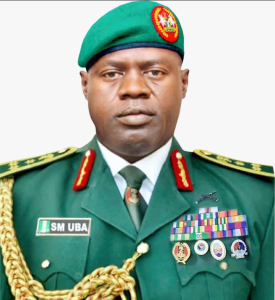
Brigadier General Uba Early Life and Military Beginnings
Brigadier General Samaila Uba hailed from northern Nigeria, born into a region that has produced many of Nigeria’s military and political leaders. Like many young men of his generation in post-independence Nigeria, he saw the military as a pathway to advancement, influence, and service to his country. He joined the Nigerian Army during the formative years after independence, when the military was being transformed from a colonial force into a national institution. His exact birth date and early educational background remain less documented than those of more prominent military figures, which is not uncommon for officers who spent most of their careers in operational rather than political leadership roles.
During his training, Uba would have gone through the Nigerian Defence Academy or the Nigerian Military Training College, institutions designed to produce professional officers for the young nation’s armed forces. He received both domestic and potentially international military training, as was common for promising Nigerian officers during this period, with many attending courses in Britain, India, or other Commonwealth countries. The young Uba entered a military that was still finding its identity in post-colonial Nigeria. The army was transitioning from its origins as a colonial force designed to maintain British control into a national institution meant to serve an independent Nigeria. This transition was complicated by ethnic tensions, regional rivalries, and the question of what role the military should play in the nation’s governance.
The Nigerian Civil War Experience
Like virtually all Nigerian military officers of his generation, Brigadier General Uba’s career was significantly shaped by the Nigerian Civil War (1967-1970), also known as the Biafran War. This brutal conflict, which resulted from Biafra’s attempted secession and claimed between one and three million lives, was the defining experience for a generation of Nigerian military officers. During the civil war, Uba served in various capacities within the Nigerian Army fighting to preserve the nation’s unity. The exact details of his wartime service, which units he commanded, which battles he participated in, what specific roles he played, are not as extensively documented as those of more prominent generals like Olusegun Obasanjo or Theophilus Danjuma.
However, what we do know is that he emerged from the civil war as a respected officer who had proven himself in combat and demonstrated the loyalty and competence that would mark his subsequent career. The civil war created bonds between officers who served together, established patterns of loyalty and patronage, and gave surviving officers the credibility that comes from having preserved Nigeria’s unity during its greatest existential crisis.
The war also shaped these officers’ worldview in profound ways. They had witnessed Nigeria nearly tear itself apart along ethnic lines. They had seen the devastating consequences of political instability and regional tensions. Many came away from the experience believing that strong military leadership was necessary to hold Nigeria together—a belief that would justify decades of military intervention in politics. For an officer like Uba, the civil war was both a crucible that tested his abilities and a formative experience that created the networks and relationships that would define his subsequent career. The bonds forged in combat during the civil war often proved more durable and significant than formal chains of command or institutional structures.
Brigadier General Uba Rise Through Military Ranks
Following the civil war, Nigeria entered a period of military rule under General Yakubu Gowon, who had led the federal forces to victory. During the 1970s, as Nigeria experienced an oil boom that brought unprecedented wealth and also unprecedented corruption, Uba continued his steady progression through military ranks. He held various command and staff positions, the specifics of which remain less documented than those of officers who achieved greater prominence. However, his eventual promotion to Brigadier General indicates that he was considered competent, loyal, and valuable to the military leadership that controlled Nigeria during much of this period.
The Nigerian military of this era operated as much as a political organization as a defense force. Officers cultivated relationships, built networks of loyalty, and positioned themselves within the complex ethnic and regional dynamics that shaped Nigerian politics. Uba, as a northern officer, was part of the northern military establishment that wielded significant influence in Nigerian politics during this period.
His progression through the ranks took place against a backdrop of military governments that came and went through coups. Gowon’s government was overthrown in 1975 by Murtala Mohammed, who was himself assassinated in a failed coup in 1976, leading to Olusegun Obasanjo taking over. Obasanjo oversaw a transition to civilian rule in 1979, but this Second Republic lasted only until 1983 when Muhammadu Buhari staged another coup. For an officer like Uba, navigating these transitions required political acumen as much as military competence. Aligning with the right factions, demonstrating loyalty at crucial moments, and avoiding being too closely associated with regimes that fell—all of this was essential to career survival and advancement.
The 1985 Coup: Brigadier General Uba Career-Defining Moment
One of the most significant moments in Brigadier General Samaila Uba’s career came with his involvement in the August 27, 1985 coup that brought General Ibrahim Badamasi Babangida (IBB) to power, overthrowing Major General Muhammadu Buhari’s government.
The 1985 coup was significant for several reasons. Buhari’s government, which had itself come to power through a coup in 1983, had implemented harsh economic austerity measures and authoritarian policies that created resentment among various groups—military officers uncomfortable with his strict discipline, politicians and businessmen affected by his anti-corruption campaign, and ordinary Nigerians suffering under economic hardship.
Buhari’s “War Against Indiscipline” campaign, while popular with some Nigerians tired of corruption and social decay, also created enemies. His government detained people without trial, restricted press freedom through harsh decrees, and implemented economic policies that caused significant hardship. Within the military, his strict disciplinarian approach and centralization of power created resentment among officers who felt marginalized or threatened. Brigadier General Uba was among the military officers who participated in planning and executing the coup that removed Buhari. The coup plotters positioned their action as necessary to save Nigeria from Buhari’s authoritarian approach and economic policies. They promised a more flexible, pragmatic governance style and eventual return to democratic civilian rule.
The coup was executed in the early morning hours of August 27, 1985. Key military installations were secured, Buhari and his deputy Tunde Idiagbon were detained, and by mid-morning, Babangida had announced the change in government over radio. The coup succeeded without major violence, indicating that it had broad support within the military establishment. Uba’s role in the coup demonstrated his position within the military power structure and his alignment with the Babangida faction. Participation in successful coups brought rewards—promotions, important positions, access to resources and patronage. For officers like Uba, the 1985 coup represented both ideological conviction (if they genuinely believed Buhari needed to be removed) and career advancement opportunity.
The coup also revealed something important about Uba’s character and position—he was trusted enough to be brought into the conspiracy, considered reliable enough to play his assigned role, and skilled enough at military politics to be on the winning side of an internal military power struggle.
Brigadier General Uba Role in the Babangida Government
Following the successful coup, Brigadier General Samaila Uba served in various capacities during Babangida’s military government (1985-1993). While he didn’t occupy the most visible positions—like Minister of Defence or Chief of Army Staff—he was part of the military establishment that supported Babangida’s rule and benefited from it. During the Babangida years, Nigeria experienced significant changes that officers like Uba were expected to support and help implement:
The Structural Adjustment Program (SAP): Beginning in 1986, Babangida implemented comprehensive economic reforms developed with the IMF and World Bank. SAP included currency devaluation, removal of subsidies, privatization, and trade liberalization. While aimed at addressing Nigeria’s economic crisis, SAP caused devastating hardship for ordinary Nigerians. The military was expected to maintain order as these unpopular policies were implemented.
Political Manipulation: Babangida’s extended and ultimately failed transition to civilian rule involved complex political manipulations—creating only two government-designed political parties, banning many politicians, repeatedly postponing transition timelines. Military officers were essential to enforcing these arrangements and suppressing opposition.
Corruption and Patronage: The Babangida era was marked by massive corruption, with oil revenues and government resources distributed through patronage networks. Military officers in good standing benefited from these systems through official positions, business opportunities, and access to resources.
Security Operations: The military was used to suppress opposition, control protests, and maintain the regime’s authority. Officers commanded units that enforced government policies and dealt with dissent.
Uba’s specific responsibilities during this period remain less documented than those of more prominent figures. However, his continued presence in the military hierarchy indicates he remained in good standing with the Babangida regime and played whatever roles were assigned to him within the military and political apparatus. As a Brigadier General, he would have commanded significant military units or held important staff positions. He would have been part of the senior military leadership that made decisions about troop deployments, security operations, and military policy. He would have benefited from the patronage system that rewarded loyalty to the regime.
The 1990 Coup Attempt: Brigadier General Uba Loyalty Under Fire
One of the most dramatic episodes of the Babangida era was the April 22, 1990 coup attempt led by Major Gideon Orkar and other middle-ranking officers. This coup attempt was unusual in Nigerian history because it explicitly articulated grievances about northern domination of Nigerian politics and military, and even proposed excising several northern states from Nigeria.
The coup plotters temporarily seized control of key installations in Lagos and came close to capturing Babangida himself. They broadcast their manifesto over radio, explaining their motivations and announcing a “new order.” For several tense hours, it was unclear whether the coup would succeed.
Ultimately, loyalist forces rallied, and the coup was suppressed. The reprisals were brutal—dozens of officers involved were executed after quick trials. The coup attempt revealed deep fissures within the military along ethnic and regional lines, and Babangida’s response demonstrated his ruthlessness in dealing with threats to his power. For officers like Brigadier General Uba who remained loyal to Babangida during this crisis, the failed coup reinforced their positions within the power structure and demonstrated the value of loyalty. Those who suppressed the coup or remained loyal during the critical hours received rewards and increased trust from Babangida.
Whether Uba played any specific role in suppressing the coup or in the subsequent investigations and reprisals is not clearly documented in available historical sources. However, his continued service after this event indicates he was on the “right side” of this internal military conflict. He either actively supported Babangida during the crisis, or at minimum, did not participate in or support the coup attempt.
The failed coup had broader implications for the military. It increased Babangida’s paranoia about potential threats, leading to closer surveillance of officers and more careful management of military appointments. It also demonstrated the ethnic tensions within the military that mirrored broader Nigerian society. For surviving officers, it was a reminder that choosing the wrong side in internal military conflicts could have fatal consequences.
The June 12, 1993 Crisis: Brigadier General Uba Democracy Betrayed
The annulment of the June 12, 1993 presidential election, widely considered the freest and fairest in Nigerian history, was the defining crisis of Babangida’s rule and a traumatic moment in Nigerian political history.
After years of promising transition to democracy, Babangida’s government finally conducted presidential elections on June 12, 1993. The contest between Moshood Abiola (Social Democratic Party) and Bashir Tofa (National Republican Convention) was remarkably peaceful. Early results showed Abiola winning decisively, including in areas where his Yoruba ethnicity would normally be a disadvantage. Nigerians celebrated what appeared to be a genuine democratic breakthrough. The election seemed to transcend traditional ethnic and religious divisions, offering hope that Nigeria could overcome its political demons. Then, on June 23, 1993, Babangida annulled the election.
The official reasons cited various irregularities and legal challenges, but these justifications were widely seen as pretexts. The real reasons remain debated, whether Babangida never genuinely intended to relinquish power, whether pressure came from northern military and political elites uncomfortable with a southern, Yoruba president, whether business interests threatened by Abiola’s potential presidency influenced the decision. The annulment triggered massive protests, civil unrest, and a pro-democracy movement demanding the election’s validation. Nigeria was plunged into political crisis that would consume the nation for years.
Military officers like Brigadier General Uba who were part of Babangida’s government faced a difficult moment. The annulment was deeply unpopular domestically and internationally condemned. Civil society erupted in protests. The international community withdrew support. It was unclear how the crisis would resolve. Officers had to decide whether to continue supporting Babangida, whether to support the interim government he installed as he stepped down in August 1993, or whether to align with other factions. The decisions made during this period would affect careers, safety, and legacies.
The historical record doesn’t clearly indicate what specific role, if any, Uba played during this crisis—whether he counseled Babangida on the decision, whether he supported the annulment, whether he had reservations about it, or whether he played any role in the subsequent crisis management. However, his survival through this turbulent period suggests he navigated the political waters successfully, maintaining enough distance from the most controversial decisions while not becoming identified as an opponent of the military establishment.
For officers who served in the Babangida government, June 12 remains a dark stain on their legacies, regardless of their specific roles. They were part of a system that betrayed Nigerian democratic aspirations at a crucial moment, and that betrayal has haunted Nigeria’s political development ever since.
The Abacha Years: Brigadier General Uba Survival in Dangerous Times
When General Sani Abacha overthrew the Interim National Government in November 1993, just three months after Babangida’s resignation, Nigeria entered one of its darkest periods—a brutal dictatorship characterized by systematic human rights violations, political repression, and massive corruption.
Abacha’s regime was more openly authoritarian and repressive than Babangida’s had been. Political opponents were imprisoned or killed. The media was heavily censored. Civil society was suppressed. The military itself was not immune, Abacha was paranoid about potential coups and dealt ruthlessly with any perceived threats.
Several military officers, including some very senior figures, were arrested on charges of plotting coups. Some were executed after secret trials, including former head of state Olusegun Obasanjo and his deputy Shehu Musa Yar’Adua (with Obasanjo eventually released but Yar’Adua dying in detention under mysterious circumstances). The 1995 execution of environmental activist and writer Ken Saro-Wiwa and eight other Ogoni leaders brought international condemnation but demonstrated Abacha’s willingness to kill to maintain power. For military officers who had served under Babangida, the Abacha era required extremely careful navigation. Abacha viewed many of them with suspicion, as potential threats or as too closely associated with the previous regime. Officers needed to demonstrate loyalty to the new regime while avoiding actions that might mark them as threats.
Brigadier General Uba’s career during the Abacha years is not extensively documented in publicly available sources. This absence of documentation itself is telling, during periods of brutal dictatorship, many people try to maintain low profiles to avoid unwanted attention.
His apparent survival through this dangerous period suggests several possibilities. He may have remained sufficiently loyal to avoid Abacha’s suspicion, demonstrating through word and deed that he posed no threat to the regime. He may not have been in positions prominent enough to threaten Abacha—by this stage possibly in less sensitive positions or even semi-retirement. He may have successfully navigated the politics of the Abacha regime without becoming too closely associated with its worst excesses, maintaining enough distance to preserve his safety while not openly opposing the regime. Or he may have retired or been retired from active service before Abacha’s most brutal repressions, removing himself from the dangerous environment of Abacha’s military.
The Abacha years tested every Nigerian in different ways—how to survive a brutal dictatorship, how to maintain integrity while living under tyranny, whether to resist openly (which could mean death), to collaborate (which meant moral compromise), or to simply try to survive by keeping one’s head down. For military officers who had participated in the 1985 coup and served under Babangida, these were particularly fraught times.
Brigadier General Uba Return to Civilian Rule and Later Life
Abacha’s sudden death in June 1998 under mysterious circumstances (officially from a heart attack, though rumors suggested other causes) opened the way for Nigeria’s transition to civilian rule. General Abdulsalami Abubakar, who took over after Abacha’s death, quickly organized a transition that led to elections in 1999. Olusegun Obasanjo, a former military head of state who had been imprisoned by Abacha, won the presidential election and took office on May 29, 1999, inaugurating Nigeria’s Fourth Republic. This marked the beginning of Nigeria’s longest period of continuous civilian rule since independence.
The return to civilian rule posed questions for military officers who had served during previous military regimes. Some transitioned into civilian politics, leveraging their military backgrounds and political connections. Some retired and retreated from public life. Some faced investigations or charges related to their actions during military rule. Some found ways to remain relevant as advisers or behind-the-scenes influencers.
Brigadier General Samaila Uba’s later life and current status are not extensively documented in readily available public sources. Unlike more prominent military figures who transitioned into civilian politics (like Babangida, Buhari, or numerous other officers who became governors or senators), wrote memoirs explaining their actions and perspectives, or remained in the public eye through continued political involvement, Uba appears to have maintained a lower profile.
This is not uncommon for military officers who held mid-level ranks and positions. While they were important to the functioning of military governments and participated in significant events, they weren’t the primary decision-makers whose actions are extensively documented and debated by historians. Their relative obscurity in historical records doesn’t mean they were unimportant, but rather reflects that historical attention focuses disproportionately on the most prominent actors.
He may have retired from military service at some point during or after the Abacha years, settling into private life away from politics. He may have business interests developed through connections made during his military career. He may maintain relationships with other retired military officers, part of informal networks of former officers who occasionally influence politics behind the scenes. Or he may have passed away, with his death not receiving significant public attention given his relatively low public profile. The lack of extensive documentation about his later life reflects a broader challenge in Nigerian historical record-keeping and the natural tendency for public attention to fade for individuals who are no longer in prominent positions.
Understanding the Pattern: Brigadier General Uba Military Officers in Nigerian Politics
Brigadier General Samaila Uba’s career, even with its significant gaps in public documentation, illuminates broader patterns about military involvement in Nigerian politics during the crucial post-independence decades:
The Coup Culture: Nigeria experienced numerous successful and failed military coups from 1966 onwards. Officers like Uba operated in an environment where coups were a normal mechanism for political change. Participation in successful coups brought rewards; being on the wrong side brought punishment or death. This created perverse incentives that undermined democratic development.
Loyalty Networks Over Institutions: Success often depended more on personal loyalty networks than on professional competence or institutional processes. Officers who cultivated the right relationships and demonstrated loyalty at crucial moments prospered. Those who failed to read political winds or who backed the wrong factions suffered. This personalization of military politics weakened institutions and created instability.
Ethnic and Regional Dynamics: Uba’s identity as a northern officer during a period when northern military officers dominated much of Nigeria’s political landscape provided certain advantages, though these dynamics were complex and didn’t guarantee success. The military mirrored the ethnic and regional tensions of broader Nigerian society, with officers often aligning along these lines as much as along professional considerations.
The Rewards of Coup Participation: Officers who participated in successful coups received tangible benefits—promotions, important positions, access to resources, business opportunities. This created strong incentives for military intervention in politics and made the military a vehicle for wealth accumulation as much as national defense.
Survival Through Multiple Regimes: Navigating between different military regimes—from Buhari to Babangida to Abacha—required political skill, adaptability, and sometimes simply luck. Officers needed to demonstrate sufficient loyalty to each regime to survive while not becoming so closely identified with any particular regime that its fall meant their destruction.
The Militarization of Politics: The decades of military rule militarized Nigerian politics in ways that persist even under civilian rule. Many current politicians were military officers or connected to military governments. Political culture absorbed military hierarchies, command structures, and authoritarian tendencies. The damage to democratic norms and institutions has taken decades to partially repair.
The Shadow of June 12: For officers who served in the Babangida government, the annulment of the June 12, 1993 election remains a dark legacy, regardless of their specific roles. They were part of a system that betrayed Nigerian democratic aspirations at a crucial moment. This betrayal haunts Nigeria’s political culture decades later, with June 12 now officially recognized as Democracy Day.
Impunity and Accountability: Most officers who participated in coups, served in military governments, or were involved in human rights violations during military rule have never faced accountability. This impunity has weakened the rule of law and sent messages that powerful individuals can act without consequences. It has also made reconciliation and historical reckoning difficult.
Brigadier General Uba Challenge of Historical Documentation
One of the significant challenges in writing about figures like Brigadier General Samaila Uba is the limited publicly available documentation. This limitation is not accidental but reflects several factors:
Focus on Prominent Figures: Historical documentation, media coverage, and scholarly attention naturally focus on the most prominent actors—heads of state, chiefs of staff, ministers in critical portfolios. Mid-ranking officers who held important but secondary roles receive less attention, even though they were essential to how military governments actually functioned.
Institutional Opacity: Nigerian military institutions have not been transparent about their internal operations, decision-making processes, or historical activities. Military records are not publicly accessible, and there’s no culture of declassifying documents after certain periods as exists in some democracies. This makes detailed research into military officers’ specific roles and activities difficult.
Lack of Memoirs: While some prominent military figures have written memoirs or given extensive interviews, many others haven’t. Officers like Uba, who never achieved the highest positions, are less likely to write memoirs, and publishers are less likely to see commercial potential in such works. This means their perspectives and accounts remain undocumented.
Political Sensitivity: The military’s role in Nigerian politics remains a sensitive topic. There’s limited appetite for comprehensive truth and reconciliation processes that would document military governments’ activities in detail. This political sensitivity discourages the kind of historical investigation that would illuminate mid-level actors’ roles.
Victim Bias in Documentation: Historical documentation tends to preserve victims’ accounts more than perpetrators’ or even neutral participants’. We have extensive documentation of human rights violations, suppression of democracy, and corruption during military rule, but less documentation of how individual officers experienced these periods or what specific roles they played in implementing policies.
This documentation gap doesn’t mean figures like Uba were unimportant. Rather, it reflects that understanding Nigeria’s military history fully would require more comprehensive documentation of all officers who played roles in coups, governments, and military operations, not just the most famous generals. Without such documentation, we have an incomplete picture of how military rule actually functioned.
Brigadier General Uba Reflections on Military Service and Political Involvement
Assessing the career of someone like Brigadier General Uba requires grappling with difficult questions about military service, political involvement, and moral responsibility that have no easy answers:
Professional Service vs. Political Participation: Can we separate an officer’s professional military service from their participation in military governments that violated democratic principles and human rights? When an officer participates in a coup or serves in a military government, are they acting as a soldier following military discipline, or as a political actor making moral choices?
The traditional military ethic emphasizes following lawful orders and respecting the chain of command. But when the military itself has seized power illegitimately, when orders involve suppressing democracy or violating human rights, does this ethic provide moral cover? Or does it become an excuse for avoiding personal responsibility?
Individual Responsibility: How much responsibility do mid-ranking officers bear for the actions of military governments they served? Are they primarily following orders from superiors, making them less culpable than the generals who made policy decisions? Or are they complicit in authoritarian governance by providing the organizational capacity that allowed military governments to function?
If Brigadier General Uba participated in the 1985 coup, did he bear responsibility for everything the Babangida government subsequently did, including the June 12 annulment? Or should we distinguish between participation in the initial coup (which might have been motivated by genuine belief that Buhari needed to be removed) and responsibility for subsequent decisions he may not have made or even agreed with?
The Context of Their Era: Should we judge officers of this era by today’s democratic standards, or should we consider the context they operated in? Nigeria in the 1980s and 1990s was a very different place—military rule was normalized, coup was a common political mechanism, democratic norms were weak, and the pressures and incentives these officers faced were different from what we might face today.
Does understanding their context excuse their actions, or does it simply explain them? Can we simultaneously recognize the difficult circumstances they operated in while still holding them accountable for their choices?
The Broader System: Are individual officers like Uba the problem, or do they simply represent a broader system of military involvement in politics that Nigeria struggled with for decades? If we focus too much on individual actors, do we miss the structural and institutional factors that created environments where coups happened regularly and military rule was normalized?
Perhaps the real culprits are the failed institutions, the weak democratic culture, the economic crises that created openness to military “solutions,” the ethnic tensions that divided the country, and the international context of Cold War politics that often tolerated or even encouraged military governments. In this view, officers like Uba were products of a broken system rather than primary causes of that brokenness.
The Question of Redemption: For officers who participated in military governments that violated democratic principles, is redemption possible? If they later supported democratization, worked for national development, or expressed regret for past actions, does that change our assessment? Or do some actions—participation in coups, suppression of democracy, association with human rights violations—create moral stains that cannot be washed away?
These questions don’t have simple answers, and reasonable people can disagree about them. But they’re important to consider when evaluating the careers and legacies of military officers from this era of Nigerian history.
Brigadier General Uba Costs of Military Rule
Understanding figures like Brigadier General Uba also requires reflecting on the broader costs that military rule imposed on Nigeria—costs that extended far beyond specific human rights violations or failed policies:
Institutional Damage: Decades of military rule weakened democratic institutions, created patterns of authoritarian governance, and normalized the idea that might makes right. Even after returning to civilian rule, Nigeria struggles with institutions that were damaged during military governments.
Lost Opportunities: The years of military rule were years when Nigeria could have been building democratic norms, strengthening institutions, and developing political culture. Instead, the country was stuck in cycles of coups and military governments that prevented normal democratic development.
Human Capital Drain: Military governments drove many talented Nigerians into exile, imprisonment, or silence. The brain drain of intellectuals, activists, and professionals who left Nigeria during military rule represented a massive loss of human capital that the country has never fully recovered.
Economic Mismanagement: While some military governments implemented economic reforms, overall military rule was associated with massive corruption, economic mismanagement, and the squandering of oil wealth that should have transformed Nigeria’s development prospects.
Social Division: Military governments often exacerbated ethnic and regional tensions rather than healing them. The use of divide-and-rule tactics, favoritism toward certain groups, and suppression of others created social divisions that persist today.
Cultural Impact: The normalization of violence, suppression of free speech, and authoritarian governance created cultural damage—generations of Nigerians who grew up under military rule absorbed lessons about power, authority, and political behavior that shape Nigeria’s political culture even now.
For officers who served in military governments, reflecting on these broader costs raises uncomfortable questions about their roles in creating or perpetuating systems that damaged their country, even if they believed they were serving national interests.
Brigadier General Uba Lessons for Contemporary Nigeria
What lessons can contemporary Nigeria draw from the careers of military officers like Brigadier General Samaila Uba who participated in coups and military governments?
Strengthening Civilian Control: The civilian governments since 1999 have worked to strengthen civilian control over the military and reduce the military’s political role. This remains essential for preventing future military interventions.
Accountability Matters: The lack of accountability for military governments’ actions has created a culture of impunity. While full accountability may be difficult given the time elapsed and political sensitivities, some form of historical reckoning would be valuable for national healing.
Institutional Development: Strong institutions are the best defense against military intervention. When democratic institutions are weak, when civilian governments fail to deliver basic services, when corruption is rampant—these create environments where military intervention can seem like a solution.
Economic Development: Many military interventions were justified by economic crises. Sustainable economic development, equitable distribution of resources, and competent economic management by civilian governments reduce the temptations and justifications for military rule.
National Unity: The ethnic and regional tensions that divided Nigeria’s military also divided the country. Building genuine national unity, addressing regional grievances, and creating a sense of shared Nigerian identity remain essential for long-term stability.
Memory and History: Understanding what happened during military rule—who did what, what decisions were made, what consequences followed—is essential for learning from history and avoiding repeating it. This requires more comprehensive documentation and study of military governments than has occurred so far.
Conclusion
Brigadier General Samaila Uba’s career represents a type of military officer common in post-independence African nations—career soldiers who found themselves operating in environments where military and political roles were deeply intertwined, where coups were common mechanisms for political change, where loyalty networks mattered as much as professional competence, and where the line between military service and political involvement was constantly blurred.
His participation in the 1985 coup that brought Babangida to power marked him as part of the military establishment that shaped Nigeria during crucial decades. His service during the Babangida years made him complicit, to whatever degree, in a government that promised democracy but ultimately betrayed it through the June 12 annulment. His navigation of Nigeria’s turbulent military politics demonstrated both survival skills and whatever moral compromises such survival required.
While we lack detailed documentation about his specific activities, positions, and decisions—a gap that reflects broader limitations in how Nigerian military history has been documented—his involvement in key moments of Nigerian political history means he was part of events that significantly shaped the nation’s trajectory.
The limited public documentation about his later life and current status shouldn’t obscure his historical significance. Officers like him were essential to how military governments functioned. They planned and executed coups. They commanded troops that maintained military regimes in power. They implemented policies decided by more prominent generals. They were the organizational capacity that allowed military governments to govern, for better or worse.
As Nigeria continues its democratic journey, now in its longest period of continuous civilian rule since independence, the careers of military officers like Brigadier General Uba serve as reminders of a difficult past. They represent a generation of officers who saw the military not just as a defense force but as a political actor, who participated in coups and military governments, and who were part of a system that repeatedly interrupted Nigeria’s democratic development.
Understanding figures like Uba—even imperfectly, given documentation limitations—helps us understand the broader patterns of military involvement in politics, the human actors behind historical events, and the challenges Nigeria faced in establishing stable, democratic governance free from military intervention.
His story ultimately raises more questions than it answers. What specific roles did he play in key events? What were his motivations for participating in the 1985 coup? How did he experience the transition from Babangida to Abacha to civilian rule? What does he think now about the events he participated in? Did he have regrets about the June 12 annulment or other controversial actions of governments he served? How does he assess his own career and legacy?
Without memoirs, interviews, or biographical studies, these questions remain unanswered. But the questions themselves are valuable because they remind us that behind historical events were individual human beings making choices, facing dilemmas, and living with consequences. Understanding history requires trying to understand these individual actors, even when documentation is limited.
The story of Brigadier General Samaila Uba, like many stories from Nigeria’s military rule era, remains incomplete. Perhaps someday more documentation will emerge—military records will be declassified, officers will give interviews or write memoirs, scholars will conduct more comprehensive research into mid-level military actors. Until then, we work with the fragments we have, trying to understand both the specific individuals and the broader patterns they represent.
What we can say definitively is that officers like Uba were part of Nigeria’s history during a crucial, difficult period. They made choices that shaped the country, for better or worse. Their legacy is part of Nigeria’s ongoing struggle to build the democratic, prosperous, united nation that its citizens deserve. Understanding that legacy—with all its complexity, contradictions, and gaps in documentation—remains important for anyone trying to understand Nigeria’s past and chart its future.
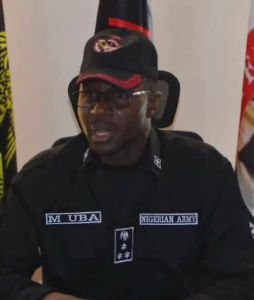
Frequently Asked Questions about Brigadier General Uba
Who is Brigadier General Samaila Uba and what is he known for in Nigerian history?
Brigadier General Samaila Uba is a Nigerian military officer who played a significant role during one of the most turbulent periods in Nigeria’s post-independence history. He is primarily known for his participation in the August 27, 1985 military coup that overthrew Major General Muhammadu Buhari’s government and brought General Ibrahim Badamasi Babangida (IBB) to power. As a northern Nigerian officer who rose through the military ranks, Uba was part of the military establishment that dominated Nigerian politics during the 1980s and early 1990s. He served in various capacities during the Babangida military government, which ruled Nigeria from 1985 to 1993, a period marked by economic restructuring through the controversial Structural Adjustment Program (SAP).