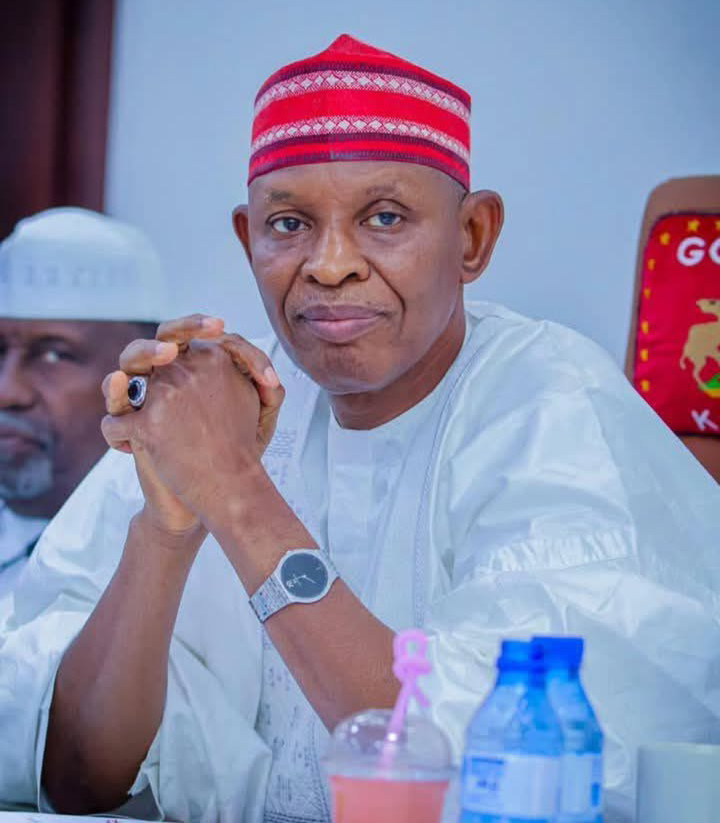
Who is Abba Kabir Yusuf?
Today let’s talk about Abba Kabir Yusuf Biography: The story of Abba Kabir Yusuf is one that perfectly encapsulates the dynamic nature of Nigerian politics, particularly in the northern region where political power, traditional institutions, and grassroots movements intersect in fascinating ways. Born on October 4, 1965, in Kano State, Yusuf’s journey from the newsroom to the governor’s office represents a remarkable trajectory that has reshaped the political landscape of one of Nigeria’s most important states.
Abba Kabir Yusuf Biography
Abba Kabir Yusuf Making of a Media Professional
Growing up in Kano, a city steeped in centuries of history and Islamic scholarship, Abba Kabir Yusuf was exposed to the intricate political and cultural dynamics that define northern Nigeria. His formative years in this environment would later prove invaluable in his understanding of governance and public affairs. Recognizing the power of communication and information, Yusuf pursued higher education at Bayero University, Kano, where he earned a Bachelor’s degree in Mass Communication. This educational foundation would become the bedrock of his professional career and eventual political success.
Before politics came calling, Yusuf distinguished himself in Nigeria’s vibrant media industry. He worked extensively in journalism, taking on editorial roles that gave him profound insight into the workings of government, the challenges facing ordinary citizens, and the power of narrative in shaping public opinion. His years in journalism were not merely a career phase but a training ground that equipped him with skills in public communication, critical analysis, and stakeholder engagement. These capabilities would later prove instrumental when he transitioned into the political arena, where the ability to connect with diverse audiences and articulate a compelling vision is paramount.
Abba Kabir Yusuf Political Awakening
The transition from journalism to politics is not uncommon in Nigeria, where media professionals often leverage their public visibility and understanding of governance to pursue political office. For Abba Kabir Yusuf, this transition was deeply influenced by his relationship with Rabiu Musa Kwankwaso, a former Governor of Kano State and one of the most influential political figures in northern Nigeria. Kwankwaso’s political philosophy and his creation of the Kwankwasiyya movement provided Yusuf with both a platform and an ideology to channel his political ambitions.
The Kwankwasiyya movement, characterized by its distinctive red cap symbolism and massive grassroots support, particularly among young people and economically disadvantaged communities, became the vehicle through which Yusuf would rise to political prominence. This movement represented more than just political machinery; it embodied a vision of inclusive governance and a rejection of what many perceived as years of mismanagement and disconnect between the government and the governed in Kano State.
Abba Kabir Yusuf Battle for Kano
The 2023 gubernatorial election in Kano State was one of the most keenly contested and controversial elections in Nigeria’s recent political history. Running on the platform of the New Nigeria Peoples Party, Abba Kabir Yusuf faced off against the incumbent Governor Abdullahi Umar Ganduje of the All Progressives Congress. The election was more than a contest between two individuals; it represented a clash of political ideologies, economic visions, and competing notions of what Kano’s future should look like.
When the Independent National Electoral Commission declared Yusuf the winner, his supporters erupted in celebration. The victory was seen as a triumph of grassroots mobilization over established political machinery and a validation of the Kwankwasiyya movement’s growing influence. However, the celebration would be short-lived as legal challenges threatened to overturn what millions of Kano residents considered a legitimate electoral victory.
Abba Kabir Yusuf Legal Drama and Democratic Resilience
The period following Abba Kabir Yusuf’s initial electoral victory tested both his resolve and the resilience of democratic institutions in Nigeria. After his swearing-in as governor on May 29, 2023, the Election Petition Tribunal delivered a shocking verdict in September 2023, nullifying his election. The tribunal cited issues related to his running mate’s qualifications and alleged electoral irregularities. This decision sparked massive protests across Kano, with supporters of the NNPP taking to the streets to express their dissatisfaction with what they perceived as a judicial overreach that disregarded the will of the people.
The streets of Kano became a theater of political expression as thousands demonstrated against the tribunal’s decision. The protests highlighted the deep emotional investment that ordinary citizens had in Yusuf’s governorship and the Kwankwasiyya movement’s vision for the state. Undeterred by the setback, Yusuf and his legal team appealed to the Court of Appeal, setting the stage for another dramatic chapter in this political saga.
In November 2023, the Court of Appeal delivered a landmark judgment that reinstated Abba Kabir Yusuf as the rightful Governor of Kano State, overturning the tribunal’s controversial decision. This victory was further cemented when the Supreme Court affirmed the Court of Appeal’s decision in January 2024, finally putting to rest the legal uncertainties that had clouded his administration’s early months. The legal odyssey demonstrated both the strengths and weaknesses of Nigeria’s judicial system and underscored the importance of institutional checks and balances in a democracy.
Abba Kabir Yusuf Governing Africa’s Second Most Populous State
With the legal battles behind him, Abba Kabir Yusuf turned his full attention to the enormous task of governing Kano State, home to an estimated 15 million people and one of Nigeria’s most important commercial hubs. His approach to governance has been characterized by ambitious reforms and controversial decisions that have kept both supporters and critics engaged in spirited debate about the state’s direction.
Education has emerged as a central pillar of his administration’s agenda. Recognizing that Kano’s future depends on the quality of education its children receive, Yusuf has initiated programs aimed at rehabilitating dilapidated school infrastructure, improving teacher welfare, and addressing the concerning number of out-of-school children in the state. These initiatives reflect his understanding that sustainable development requires long-term investment in human capital.
Infrastructure development has also received significant attention under his governorship. From road construction and rehabilitation to improving water supply systems and urban renewal projects, Yusuf’s administration has sought to modernize Kano’s physical infrastructure. These projects are not merely about concrete and asphalt; they represent an effort to improve the quality of life for Kano residents and create an environment conducive to economic growth and investment.
Perhaps the most controversial aspect of Abba Kabir Yusuf’s governorship has been his handling of traditional institutions, particularly the emirate system. Shortly after assuming office and consolidating his position through the courts, Yusuf made the dramatic decision to dissolve the five emirate councils that had been created by his predecessor, Governor Ganduje. This move effectively reversed the fragmentation of the traditional Kano Emirate and paved the way for the return of the deposed Emir Muhammadu Sanusi II, a highly respected but politically controversial figure.
This decision regarding the emirate system transcended mere administrative restructuring; it touched on deeply emotional and cultural issues related to identity, tradition, and the role of traditional institutions in modern governance. While supporters of the move celebrated what they saw as a restoration of Kano’s historical integrity, critics questioned the wisdom of reopening old wounds and warned of potential instability. The decision also sparked its own set of legal challenges, demonstrating the complex interplay between traditional authority and modern democratic governance in northern Nigeria.
Abba Kabir Yusuf Kwankwaso Factor
Any discussion of Abba Kabir Yusuf’s political career would be incomplete without examining his relationship with Rabiu Kwankwaso, his political mentor and godfather. This relationship has been both a source of strength and a subject of scrutiny. Kwankwaso’s influence in Kano politics is undeniable, and his endorsement was instrumental in Yusuf’s electoral success. The Kwankwasiyya movement’s organizational structure, financial resources, and grassroots network provided Yusuf with a ready-made political machine that few candidates could match.
However, this close relationship also raises questions about autonomy and decision-making. Critics have sometimes portrayed Yusuf as merely executing Kwankwaso’s agenda rather than charting an independent course for Kano State. Supporters counter that the collaboration between the two men represents a continuity of vision and that Yusuf brings his own expertise and perspective to governance while benefiting from Kwankwaso’s political wisdom and experience.
The dynamic between political mentors and their protégés is a common feature of Nigerian politics, and navigating this relationship while establishing one’s own identity as a leader remains one of Yusuf’s ongoing challenges. His success or failure in balancing loyalty to his political godfather with the need to respond to the unique demands of his administration will significantly shape his legacy.
Abba Kabir Yusuf Economic Vision and Development Strategy
Beyond infrastructure and education, Abba Kabir Yusuf has articulated an economic vision aimed at positioning Kano as a competitive destination for investment and entrepreneurship. Kano’s strategic location, large population, and historical role as a commercial center provide significant advantages that his administration seeks to leverage. Efforts to attract both domestic and foreign investment have been complemented by initiatives supporting small and medium enterprises, recognizing that these businesses form the backbone of employment generation and economic resilience.
The administration has also shown interest in revitalizing Kano’s agricultural sector, which employs a significant portion of the state’s population. Programs aimed at providing farmers with improved inputs, better market access, and modern farming techniques reflect an understanding that agricultural development is crucial for addressing poverty and food security challenges. Additionally, Yusuf’s government has explored opportunities in the informal sector, which dominates Kano’s economy and provides livelihoods for millions of residents.
The Road Ahead
As Abba Kabir Yusuf continues his tenure as Governor of Kano State, he faces numerous challenges that will test his leadership and define his place in the state’s history. Managing the expectations of a large and diverse support base while dealing with limited resources requires careful prioritization and effective communication. The security challenges that affect parts of northern Nigeria, though less acute in Kano than in some neighboring states, require constant vigilance and collaboration with federal authorities.
His administration must also navigate the complex relationship between traditional and modern governance structures, particularly in light of the emirate reforms he initiated. Finding a balance that respects tradition while promoting progressive governance and inclusive development will be crucial. Additionally, Yusuf must continue to build bridges across the political divide, engaging constructively with opposition groups and fostering an environment where diverse perspectives can contribute to Kano’s development.
The question of succession and political sustainability also looms on the horizon. Will Yusuf be able to establish a lasting political legacy that extends beyond his tenure, or will his governorship be remembered primarily as an episode in the larger narrative of the Kwankwasiyya movement? The answers to these questions will depend on the concrete achievements his administration delivers and the institutional frameworks he establishes to ensure continuity of good governance.
Abba Kabir Yusuf Symbol of Democratic Evolution
Abba Kabir Yusuf’s rise to power and his tenure as governor represent more than the success of one individual; they symbolize important trends in Nigerian democracy. His victory demonstrated that third parties can compete effectively against established political machines when they connect authentically with grassroots concerns and mobilize support efficiently. The legal battles that followed his election and the ultimate judicial affirmation of his victory showcased both the challenges and resilience of Nigeria’s democratic institutions.
His background in journalism reminds us that diverse professional experiences can enrich political leadership, bringing fresh perspectives to governance challenges. The communication skills and analytical thinking honed in newsrooms can translate effectively to the demands of public office when combined with political acumen and a genuine commitment to public service.
Conclusion
The story of Abba Kabir Yusuf is still being written. From his early days as a student of mass communication at Bayero University to his years shaping narratives in Nigeria’s media industry, and now as the chief executive of one of Africa’s most populous sub-national territories, his journey reflects ambition, resilience, and the power of political movements rooted in popular support. His governorship of Kano State, born through a fiercely contested election and baptized by legal fire, represents a significant chapter in the political evolution of northern Nigeria.
The ultimate measure of his success will not be found in electoral statistics or legal victories, but in the tangible improvements in the lives of ordinary Kano residents. Will children receive quality education? Will infrastructure facilitate economic activity and improve quality of life? Will the state’s institutions become more responsive and accountable? Will Kano’s rich cultural heritage be preserved while embracing necessary modernization? These are the questions against which history will judge Abba Kabir Yusuf’s tenure.
What is certain is that his emergence as governor has already altered Kano’s political landscape, challenged the dominance of traditional political parties, and energized a generation of supporters who see in him and the Kwankwasiyya movement a vehicle for their aspirations. Whether he can translate this political capital into lasting developmental gains remains the defining challenge of his governorship. As he navigates the complexities of governing one of Nigeria’s most important states, Abba Kabir Yusuf carries not only the hopes of millions of Kano residents but also represents a broader experiment in grassroots democracy and alternative political organizing in Nigeria.
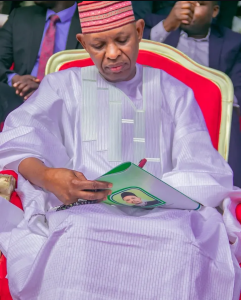
Frequently Asked Questions about Abba Kabir Yusuf
What is Abba Kabir Yusuf’s educational background and how did it prepare him for politics?
Abba Kabir Yusuf holds a Bachelor’s degree in Mass Communication from Bayero University, Kano. This educational background proved invaluable in his political career as it equipped him with strong communication skills, an understanding of public affairs, and the ability to effectively engage with diverse audiences. His years working in journalism before entering politics gave him deep insights into governance issues, the concerns of ordinary citizens, and how to articulate compelling visions for change. The media industry also provided him with experience in critical analysis and stakeholder engagement, skills that are essential for political leadership. This combination of formal education in communication and practical experience in journalism created a solid foundation for his eventual transition into politics and governance.
What was the controversy surrounding Abba Kabir Yusuf’s 2023 election victory?
The controversy began after Yusuf was initially declared winner of the March 2023 gubernatorial election in Kano State. Despite his swearing-in on May 29, 2023, the Election Petition Tribunal nullified his election in September 2023, citing issues related to his running mate’s qualifications and alleged electoral irregularities. This decision sparked massive protests across Kano State, with thousands of supporters taking to the streets to express their opposition to what they viewed as a judicial overreach. Yusuf and his party, the NNPP, appealed this decision to the Court of Appeal, which overturned the tribunal’s ruling in November 2023, reinstating him as governor. The Supreme Court later affirmed this decision in January 2024, finally resolving the legal uncertainty that had surrounded his election for months.
What is the relationship between Abba Kabir Yusuf and Rabiu Kwankwaso?
Rabiu Musa Kwankwaso serves as Abba Kabir Yusuf’s political mentor and godfather, and their relationship has been central to Yusuf’s political success. Kwankwaso, a former Governor of Kano State and influential political figure in northern Nigeria, founded the Kwankwasiyya movement, which provided Yusuf with a powerful political platform and extensive grassroots support network. This movement, characterized by its distinctive red cap symbolism and strong appeal among young people and lower-income communities, was instrumental in mobilizing voters for Yusuf’s gubernatorial campaign. While this relationship has been a significant source of strength, providing organizational structure, resources, and political guidance, it has also led to questions about Yusuf’s autonomy as governor. The challenge of balancing loyalty to his political mentor while establishing his own governing identity and responding to Kano State’s unique needs remains an ongoing aspect of his leadership.
Why did Abba Kabir Yusuf dissolve the five emirate councils in Kano?
One of the most controversial decisions of Abba Kabir Yusuf’s administration was the dissolution of five emirate councils that had been created by his predecessor, Governor Abdullahi Ganduje. This action effectively reversed the fragmentation of the traditional Kano Emirate and restored the historical structure that had existed for centuries. The move paved the way for the return of the deposed Emir Muhammadu Sanusi II, who had been removed by the previous administration. Supporters of this decision viewed it as a restoration of Kano’s cultural and historical integrity, arguing that the creation of multiple emirates had been politically motivated and had undermined traditional authority. Critics, however, questioned the wisdom of reopening contentious issues around traditional institutions and warned of potential instability. The decision touched on deeply emotional issues related to identity, tradition, and the role of traditional leadership in modern governance, sparking its own legal challenges and intense public debate.
What are the main priorities of Abba Kabir Yusuf’s administration?
Abba Kabir Yusuf’s administration has focused on several key areas of governance. Education stands as a central priority, with initiatives aimed at rehabilitating school infrastructure, improving teacher welfare, and addressing the high number of out-of-school children in Kano State. Infrastructure development represents another major focus, including road construction and rehabilitation, water supply improvements, and urban renewal projects designed to modernize the state and improve residents’ quality of life. Economic development through attracting investment and supporting small and medium enterprises has also received significant attention, leveraging Kano’s strategic location and large market. Additionally, the administration has undertaken civil service reforms and made significant changes to traditional institutional structures, particularly regarding the emirate system. These priorities reflect an ambitious agenda aimed at transforming Kano State while navigating complex political, cultural, and economic challenges inherent in governing one of Nigeria’s most important and populous states.
Leave a Reply