
Who is Amaal Mallik?
Today let’s talk about Amaal Mallik Biography: In the glittering, competitive world of Bollywood music, where legacy names carry weight but talent ultimately determines survival, few young composers have made as immediate and impactful an entry as Amaal Mallik. Born into one of Indian cinema’s most prestigious musical families, he could have coasted on his surname and connections. Instead, he chose to forge his own path, creating a distinctive musical identity that has produced some of contemporary Bollywood’s most memorable melodies and establishing himself as one of the industry’s most sought-after composers before reaching thirty.
Amaal Mallik’s story is one of inherited passion meeting individual ambition, of respecting tradition while embracing contemporary sounds, and of a young artist who understood that the greatest tribute to his family’s legacy was not to replicate it but to create his own. His journey from piano prodigy to chart-topping composer offers insights into Bollywood’s music industry, the challenges of succeeding in a family business, and what it takes to create melodies that capture the hearts of millions.
Amaal Mallik Biography
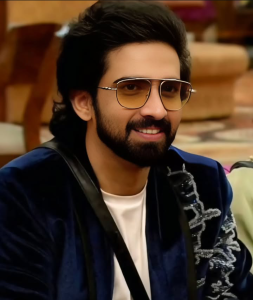
Amaal Mallik Born Into Musical Royalty
Amaal Mallik was born on June 16, 1991, in Mumbai, Maharashtra, into what can only be described as Bollywood music royalty. His family’s musical legacy is extraordinary—his grandfather was Sardar Malik, a respected music director who composed for Hindi films in the 1950s-60s. His father is Daboo Malik (born Abul Malik), a music composer and singer who has worked in Bollywood. Most significantly, his uncle is Anu Malik, one of Bollywood’s most successful and prolific music composers of the 1990s and 2000s, with numerous hit films to his credit.
Growing up in the Malik household meant being surrounded by music from birth. The family home wasn’t just a residence; it was a creative space where melodies were constantly being created, discussed, and refined. Film personalities, singers, musicians, and industry professionals were regular visitors. Conversations at family gatherings inevitably turned to music—discussing compositions, analyzing songs, debating musical trends, and sharing insights about the craft of creating music for cinema.
For young Amaal, this environment was both blessing and burden. The blessing was obvious—unparalleled access to musical knowledge, mentorship from accomplished family members, connections to the industry, and inspiration from being surrounded by musical excellence. The burden was equally clear—enormous expectations, inevitable comparisons to accomplished family members, skepticism about whether any success would be due to talent or nepotism, and the pressure to live up to a legacy that many would find intimidating.
His younger brother, Armaan Malik, would also enter the music industry, becoming one of Bollywood’s most popular playback singers. The Malik family thus represents a multigenerational musical dynasty, with each generation contributing to Hindi film music’s evolution.
Amaal Mallik Child Prodigy’s Education
From an extraordinarily young age, Amaal demonstrated exceptional musical talent. He began learning piano at age four, showing the kind of early aptitude that suggested innate musical genius rather than just learned skill. His small fingers navigating piano keys, his intuitive understanding of melody and harmony, his ability to reproduce music he heard—all indicated that he possessed something special.
His musical education was rigorous and comprehensive. Beyond just learning to play piano, he studied music theory, harmony, composition, and the technical foundations that transform raw talent into disciplined artistry. He learned both Western classical music and Indian classical traditions, understanding that great film music often draws from multiple musical heritages.
His formal education took place at some of Mumbai’s best schools, but music remained his primary passion and focus. While other children played sports or video games, Amaal spent hours at the piano, composing melodies, experimenting with harmonies, and absorbing everything he could about music creation.
He was particularly influenced by his uncle Anu Malik, who took special interest in nurturing his nephew’s talents. Anu Malik exposed him to the practical aspects of film music composition—how to create music that serves narrative, how to work with directors and understand their vision, how to compose keeping in mind singers’ strengths, how to arrange music to maximize emotional impact, and how to navigate the business and relationship dynamics of Bollywood’s music industry.
This mentorship was invaluable, providing insights that no formal education could offer. Amaal learned by observing his uncle’s working process, attending recording sessions, watching how melodies were refined through collaboration with lyricists and singers, and understanding the complex ecosystem of Bollywood music production.
By his teenage years, Amaal was already composing music seriously, creating pieces that demonstrated maturity beyond his age. He understood that to succeed, he would need not just talent and training but also a distinctive voice—something that made his music recognizably his own rather than just competent imitations of existing styles.
Amaal Mallik Early Career: Learning the Craft
Amaal Mallik’s entry into professional music composition came through assisting established composers, including his uncle Anu Malik and composer Salim Merchant (of the Salim-Sulaiman duo). This apprenticeship period was crucial for several reasons.
Working as an assistant composer provided practical experience in how Bollywood music is actually created. He learned about the compressed timelines under which film music is often produced, the collaborative process of working with directors who often have strong but not always articulate musical preferences, the technical aspects of recording and arranging, and the challenge of creating music that serves the film while also working as standalone compositions that audiences want to listen to repeatedly.
He co-composed songs, contributed to arrangements, participated in recording sessions, and gradually built both his skills and his network of professional relationships. He worked on projects including “Jai Ho” (2014) and other films, gaining credits and experience while still in his early twenties.
This period of apprenticeship also allowed him to develop his identity as a composer. He studied what worked in successful Bollywood music, analyzed why certain melodies connected with audiences, experimented with different musical styles and influences, and gradually refined his own compositional voice—one that balanced melody with contemporary production, romance with energy, and accessibility with sophistication.
He also began building relationships with singers, lyricists, and other musicians who would become frequent collaborators once he began composing independently. The music industry runs on relationships and trust, and these early connections would prove valuable when he launched his career as an independent composer.
Amaal Mallik Breakthrough: “Roy” and Establishing His Sound
Amaal Mallik’s breakthrough as an independent composer came in 2015 with the film “Roy,” directed by Vikramjit Singh and starring Ranbir Kapoor, Jacqueline Fernandez, and Arjun Rampal. At just 23 years old, Amaal was given the opportunity to compose the film’s entire soundtrack—a significant responsibility and vote of confidence in his abilities.
The “Roy” soundtrack was a revelation. The album featured several tracks that became instant hits:
“Sooraj Dooba Hain” – A romantic, sunset-themed track sung by Arijit Singh and Aditi Singh Sharma, with a melody that was simultaneously fresh and timeless. The song’s breezy, feel-good quality made it an instant favorite.
“Tu Hai Ki Nahi” – Featuring Ankit Tiwari and Arijit Singh, this romantic track showcased Amaal’s ability to create melodies that were emotionally resonant and musically sophisticated.
“Chittiyaan Kalaiyaan” – Perhaps the biggest hit from the album, this track sung by Kanika Kapoor became a party anthem, with its catchy hook and danceable rhythm dominating playlists, clubs, and wedding celebrations for months. The song demonstrated Amaal’s versatility—he could create contemplative romantic melodies and high-energy dance numbers with equal facility.
The “Roy” soundtrack was commercially and critically successful, establishing Amaal Mallik as a composer to watch. At an age when many composers are still struggling for their first break, he had delivered a hit album that topped charts and earned him nominations and awards.
What distinguished the “Roy” music was its freshness. These didn’t sound like typical Bollywood compositions or like his uncle’s music. They were contemporary, influenced by international pop and electronic music trends, yet retained melodic sensibilities that Indian audiences respond to. Amaal had found a sweet spot—music that felt modern and global while remaining rooted in Bollywood’s melodic traditions.
The success also validated his decision to pursue composition independently rather than remaining in his uncle’s shadow. He had proven he could succeed on his own merits, and offers began pouring in.
Amaal Mallik Rapid Rise: A String of Hits
Following the success of “Roy,” Amaal Mallik entered a remarkably productive period, composing for multiple films in quick succession and delivering hit after hit:
“Airlift” (2016)
The title track “Airlift,” sung by Ankit Tiwari, Arijit Singh, and Tulsi Kumar, became a patriotic anthem. The song demonstrated Amaal’s ability to create music for different emotional contexts—this wasn’t romance or celebration but pride and patriotism, and his composition captured these sentiments effectively.
“Neerja” (2016)
For this biographical drama about Neerja Bhanot, the flight attendant who sacrificed her life saving passengers during a hijacking, Amaal composed sensitive, emotionally appropriate music. The song “Gehra Ishq” showcased his ability to create music that served narrative and character without overwhelming the story.
“Baaghi” (2016)
This action film’s soundtrack featured energetic tracks including “Sab Tera,” which demonstrated Amaal’s facility with high-energy compositions suitable for action sequences and promotional campaigns.
“Sarbjit” (2016)
For this intense biographical drama about an Indian farmer mistakenly imprisoned in Pakistan, Amaal composed emotionally powerful music including “Dard,” which won him the Filmfare Award for Best Music Director. At just 25, he became one of the youngest recipients of this prestigious award.
“Baar Baar Dekho” (2016)
The romantic track “Sau Aasmaan,” sung by Armaan Malik (his brother) and Neeti Mohan, became a wedding favorite, with its celebration of love and togetherness resonating with audiences.
“Badrinath Ki Dulhania” (2017)
For this romantic comedy starring Varun Dhawan and Alia Bhatt, Amaal composed several successful tracks including “Humsafar,” which became one of the year’s most popular romantic songs, and “Badrinath Ki Dulhania” (title track), a wedding celebration anthem.
This rapid succession of successful soundtracks—multiple hit albums in just two years—was extraordinary and demonstrated several things: his work ethic and productivity, his versatility across different genres and emotional contexts, his ability to collaborate effectively with different directors and singers, and most importantly, his consistent ability to create melodies that connected with audiences.
Amaal Mallik Musical Style and Signature Elements
What defines Amaal Mallik’s musical style? Several characteristics distinguish his compositions:
Melodic Richness: At the core of his music are strong, memorable melodies. In an era when some Bollywood music prioritized beats and production over melody, Amaal maintained focus on creating tunes that audiences could hum and remember.
Contemporary Production: His arrangements incorporate contemporary production techniques, electronic elements, and international pop influences, making his music feel current and relevant to young audiences.
Emotional Authenticity: His compositions convey genuine emotion rather than manufactured sentimentality. Whether creating romantic tracks, patriotic anthems, or celebration songs, his music feels emotionally honest.
Singer Collaboration: He composes keeping specific singers in mind, creating melodies that showcase their strengths. His frequent collaborations with Arijit Singh, his brother Armaan Malik, and other top playback singers have produced some of their best performances.
Harmonic Sophistication: While maintaining melodic accessibility, his compositions often feature sophisticated harmonic progressions that give his music depth and relistenability.
Versatility: He moves comfortably between different musical styles—romantic ballads, high-energy dance tracks, emotional drama pieces, patriotic songs, wedding anthems—demonstrating range that many composers lack.
His style represents a bridge between Bollywood’s melodic traditions and contemporary global music trends, making his compositions appeal to both traditional Bollywood music fans and younger audiences with more international tastes.
Amaal Mallik Challenges and Controversies
Despite his success, Amaal Mallik’s career hasn’t been without challenges and occasional controversies:
The Nepotism Question
Like many individuals from film families, Amaal has faced questions and sometimes accusations about nepotism—the suggestion that his opportunities came from family connections rather than merit. He has addressed these concerns forthrightly, acknowledging that his family background provided access and opportunities but arguing that sustained success requires talent that family connections alone can’t provide.
His response to nepotism criticism has generally been: “I got my first break because of my family name, but I got my second, third, and subsequent projects because of my work.” The string of hits he delivered demonstrated that directors and producers continued hiring him because his music was commercially successful, not just because of his surname.
Family Dynamics
Being part of a musical family creates both support and complexity. There have been occasional media reports of tensions or professional competition within the family, though Amaal has generally maintained discretion about family matters, focusing public discussion on his music rather than personal relationships.
Creative Constraints
Bollywood music operates within significant constraints—directors’ visions, commercial considerations, pressure to create “chartbusters” rather than just good music, and timelines that sometimes limit creative exploration. Amaal has occasionally expressed frustration with these constraints while acknowledging they’re inherent to the industry.
Industry Politics
The Bollywood music industry has complex politics involving music labels, production houses, promotional opportunities, and awards. Navigating these dynamics while maintaining artistic integrity and professional relationships requires constant balancing.
Plagiarism Allegations
Like most Bollywood composers, Amaal has occasionally faced allegations that certain melodies resembled existing songs. He has generally responded to such allegations by noting that in music, particularly within specific genres and cultural traditions, some melodic similarities are inevitable and don’t constitute plagiarism.
Amaal Mallik Beyond Bollywood: Other Musical Ventures
While Bollywood film music remains his primary focus, Amaal Mallik has pursued other musical ventures:
Live Performances
He performs regularly at concerts and music festivals, showcasing his compositions and connecting directly with audiences. These performances demonstrate his skills as a pianist and live performer, not just a studio composer.
Music Direction and Production
Beyond just composing melodies, he’s involved in the complete music production process, working on arrangements, recording, and mixing to ensure his musical vision is fully realized.
Mentorship and Music Education
He has expressed interest in nurturing young musical talent, occasionally conducting workshops or masterclasses where he shares insights about composition, the industry, and music as a career.
Non-Film Music
While the vast majority of his work is for films, he has occasionally created music for other contexts including advertising, independent singles, and special projects.
Social Media and Digital Presence
He maintains active social media presence, sharing his music, behind-the-scenes glimpses of his creative process, and engaging with fans. This direct connection with audiences is important in contemporary music industry where streaming and social media have transformed how music is consumed and promoted.
Amaal Mallik Personal Life and Interests
Beyond his professional identity as a composer, Amaal Mallik maintains interests and a personal life that, while kept relatively private, occasionally surface in interviews and social media:
He is known to be close to his family, particularly his brother Armaan Malik. Their professional collaborations as composer and singer have produced numerous hits, and their personal bond adds depth to these musical partnerships.
He is reportedly single as of recent information, focusing primarily on his career during these crucial early years when he’s establishing himself and building his body of work.
He is interested in various musical genres beyond Bollywood, listening to international pop, electronic music, jazz, and other styles that influence his compositions. This broad musical palette contributes to his contemporary sound.
He maintains a fitness routine and healthy lifestyle, understanding that creativity requires physical and mental wellness, not just talent and inspiration.
He engages with fans regularly through social media, sharing music, personal moments, and thoughts about the industry and creativity in ways that make him accessible and relatable despite his success.
Amaal Mallik Working with Singers: Frequent Collaborations
Amaal Mallik’s success is partly attributable to his effective collaborations with some of Bollywood’s finest playback singers:
Arijit Singh: One of his most frequent and successful collaborations, with Arijit Singh singing many of Amaal’s biggest romantic hits. The composer-singer partnership has produced memorable melodies that showcase both Amaal’s compositional skills and Arijit’s emotive vocals.
Armaan Malik (his brother): Their familial bond translates into musical chemistry, with Armaan bringing understanding of Amaal’s compositional intent and Amaal creating melodies that showcase his brother’s vocal strengths.
Ankit Tiwari: Another frequent collaborator, particularly for romantic and emotional tracks that require male vocals with particular texture and feeling.
Neha Kakkar and Tulsi Kumar: For female-voiced tracks, these singers have frequently brought Amaal’s compositions to life with their distinctive vocal styles.
Kanika Kapoor: Her performance of “Chittiyaan Kalaiyaan” demonstrated Amaal’s ability to create vehicles for distinctive vocal styles.
These collaborations demonstrate Amaal’s understanding that great Bollywood music results from partnerships between composers and singers, each bringing their artistry to create something greater than either could achieve alone.
Amaal Mallik Awards and Recognition
Amaal Mallik’s talent and success have been recognized through numerous awards and nominations:
Filmfare Award for Best Music Director for “Sarbjit” (2016) – One of the youngest recipients of this prestigious award.
Zee Cine Award nominations for various compositions across multiple years.
IIFA (International Indian Film Academy) Award nominations recognizing his contributions to Hindi film music.
Mirchi Music Awards for various compositions, celebrating both critical and commercial success.
GiMA (Global Indian Music Academy) Awards recognizing his impact on contemporary Bollywood music.
Beyond formal awards, perhaps his greatest recognition comes from commercial success—his songs topping charts, streaming platforms, and becoming part of popular culture. In Bollywood, where music’s commercial performance is closely tracked, his consistent ability to deliver hit soundtracks speaks louder than any award.
The Pressure of Early Success
Achieving significant success before age 25 brought both opportunities and pressures for Amaal Mallik:
Expectations: Each new project carries expectations based on previous successes. Audiences, directors, and producers expect hit soundtracks, creating pressure that can inhibit creativity.
Comparison: His work is constantly compared to his previous compositions and to other contemporary composers, creating pressure to continually innovate while maintaining the qualities that made him successful.
Sustainability: The question of whether he can sustain his success long-term looms over many young achievers. Bollywood history includes composers who burst onto the scene with early hits but couldn’t maintain momentum.
Artistic Growth: Balancing commercial success with artistic growth and exploration is challenging. The temptation to repeat successful formulas must be weighed against the need to evolve as an artist.
Work-Life Balance: The demands of a successful music career—composing, recording, promotional activities, performances—leave little time for personal life, relationships, or simply rest and rejuvenation.
Amaal has navigated these pressures with apparent maturity, continuing to deliver successful soundtracks while occasionally taking on projects that allow creative exploration beyond pure commercial considerations.
The Future: Evolution and Ambition
As Amaal Mallik continues his career, several questions and possibilities emerge:
Musical Evolution: How will his style evolve as he matures as an artist and as musical trends continue changing? Will he maintain his current sound or significantly reinvent himself?
Longevity: Can he sustain his success over decades, becoming not just a successful young composer but an enduring figure in Bollywood music?
Creative Ambitions: Beyond commercial success, what are his deeper artistic ambitions? Does he aspire to create music that’s remembered not just as popular but as artistically significant?
Expanding Horizons: Will he remain focused exclusively on Bollywood or expand into international collaborations, independent music, or other musical territories?
Legacy Building: Being from a multigenerational musical family, how does he think about his own legacy and contribution to the Malik family’s musical dynasty?
His talent, work ethic, and early success suggest bright prospects, but Bollywood music is notoriously unpredictable, with audience tastes shifting rapidly and new composers constantly emerging.
Conclusion
Amaal Mallik’s journey from piano prodigy to Bollywood hitmaker is a story of talent nurtured in a creative environment, formal training combined with practical apprenticeship, inherited passion meeting individual ambition, and the courage to forge one’s own path while honoring family legacy.
He represents a new generation of Bollywood composers—formally trained, globally aware, technologically savvy, yet rooted in the melodic traditions that have made Hindi film music beloved worldwide. His compositions bridge generations, appealing to audiences who loved classic Bollywood melodies while incorporating contemporary sounds that resonate with younger listeners.
His success has particular significance given the nepotism debates that periodically roil Bollywood. He demonstrates that while family connections may provide initial opportunities, sustained success in a commercial industry like film music requires genuine talent, consistent delivery, and ability to create work that audiences embrace. His multiple hit soundtracks are his answer to any questions about whether he deserves his position.
For aspiring composers, his career offers lessons about the importance of formal musical training, the value of apprenticeship under established professionals, the necessity of developing a distinctive voice rather than imitating others, and the reality that success in Bollywood requires not just talent but also productivity, collaboration skills, and understanding of the commercial context within which film music operates.
As he continues composing, each new soundtrack adds to his legacy. Will he be remembered as one of his generation’s defining composers, someone whose melodies captured the spirit of an era? Or will he be a talented composer whose early success couldn’t be sustained? The answer will be written in the melodies yet to come.
But regardless of what the future holds, Amaal Mallik has already achieved something remarkable—by his late twenties, he created numerous melodies that have become part of Indian popular culture, that have provided the soundtrack to countless romantic moments, celebrations, and emotional experiences for millions of people. In the end, that’s what composers aspire to: creating music that becomes inseparable from life itself.
The boy who started playing piano at age four has grown into a composer whose melodies play in homes, cars, celebrations, and hearts across India and the diaspora. The music continues, the melodies keep coming, and Amaal Mallik’s journey as one of Bollywood’s melody makers is still being written, one note at a time.

Frequently Asked Questions about Amaal Mallik
Who is Amaal Mallik and what is his background in music?
Amaal Mallik, born June 16, 1991, in Mumbai, is one of Bollywood’s most successful young music composers, coming from one of Hindi cinema’s most prestigious musical families. His grandfather was Sardar Malik, a respected music director from the 1950s-60s; his father is Daboo Malik, a composer and singer; and his uncle is Anu Malik, one of Bollywood’s most prolific composers of the 1990s-2000s. His younger brother Armaan Malik is a popular playback singer. Amaal demonstrated exceptional musical talent from age four when he began learning piano, receiving rigorous training in both Western classical and Indian classical music traditions. He studied music theory, harmony, and composition, receiving mentorship particularly from his uncle Anu Malik who exposed him to practical aspects of film music composition. He began his career assisting established composers including Anu Malik and Salim Merchant, gaining practical experience before his breakthrough as an independent composer came in 2015 with the film “Roy” at age 23. The “Roy” soundtrack, featuring hits like “Sooraj Dooba Hain” and “Chittiyaan Kalaiyaan,” established him as a major new talent. Since then, he has composed numerous successful soundtracks including “Airlift,” “Neerja,” “Sarbjit” (which won him the Filmfare Award for Best Music Director at age 25), “Badrinath Ki Dulhania,” and many others, becoming one of Bollywood’s most sought-after composers before reaching thirty.
What are Amaal Mallik’s biggest hit songs and what makes his music distinctive?
Amaal Mallik has composed numerous chart-topping songs that have become part of contemporary Bollywood’s popular culture. His biggest hits include “Chittiyaan Kalaiyaan” from “Roy” (a party anthem that dominated celebrations and clubs for months), “Sooraj Dooba Hain” from “Roy” (a romantic sunset-themed track that became instantly popular), “Humsafar” from “Badrinath Ki Dulhania” (one of recent years’ most beloved romantic songs), the title track from “Airlift” (a patriotic anthem), “Sau Aasmaan” from “Baar Baar Dekho” (a wedding favorite), “Dard” from “Sarbjit” (an emotionally powerful track), and “Badrinath Ki Dulhania” title track (a wedding celebration anthem). What makes his music distinctive is his combination of melodic richness—strong, memorable tunes that audiences can hum—with contemporary production incorporating electronic elements and international pop influences, making his music feel current to young audiences while maintain good emotional authenticity. His compositions feature sophisticated harmonic progressions that add depth, and he demonstrates remarkable versatility moving between romantic ballads, high-energy dance tracks, emotional drama pieces, and patriotic songs. He composes keeping specific singers in mind, creating melodies that showcase their strengths, resulting in frequent successful collaborations with Arijit Singh, his brother Armaan Malik, and other top playback singers. His style represents a bridge between Bollywood’s melodic traditions and contemporary global music trends, appealing to both traditional fans and younger audiences with international tastes.
How has Amaal Mallik addressed the nepotism debate in Bollywood?
As a member of a prominent musical family, Amaal Mallik has faced questions about nepotism—whether his opportunities resulted from family connections rather than merit. He has addressed these concerns forthrightly and maturely, acknowledging that his family background provided initial access and opportunities while arguing that sustained success requires talent that connections alone cannot provide. His response has generally been that while he may have gotten his first break because of his family name, he received subsequent projects because his music was commercially successful and critically appreciated. The string of hit soundtracks he delivered after “Roy” demonstrated that directors and producers continued hiring him based on his work’s quality and commercial performance, not just his surname. His Filmfare Award for Best Music Director for “Sarbjit” at age 25, numerous other awards and nominations, consistent chart-topping songs, and multiple successful soundtracks across diverse films provide objective evidence of his talent and contribution. He has also noted that while family connections may open doors, they don’t guarantee success in a commercial industry where box office and music sales provide clear metrics of performance. His brother Armaan Malik has similarly succeeded as a playback singer, and both have argued that their family’s musical legacy provided inspiration and training but that their individual careers depend on their own abilities to deliver work that audiences embrace. The nepotism debate in Bollywood is complex and ongoing, but Amaal’s body of work provides his most compelling response to any questions about whether he deserves his position.
What challenges has Amaal Mallik faced in his career despite his success?
Despite achieving remarkable success at a young age, Amaal Mallik has faced several significant challenges. Beyond the nepotism questions, he deals with enormous expectations—each new project carries expectations based on previous successes, with audiences, directors, and producers expecting hit soundtracks, creating pressure that can inhibit creativity. His work is constantly compared to his previous compositions, to his uncle Anu Malik’s work, and to other contemporary composers, creating pressure to continually innovate while maintaining qualities that made him successful. The question of sustainability looms—whether he can maintain success long-term, as Bollywood history includes composers who burst onto the scene with early hits but couldn’t maintain momentum. He must balance commercial success with artistic growth and exploration, weighing the temptation to repeat successful formulas against the need to evolve as an artist. Bollywood music operates within significant constraints including directors’ visions, commercial considerations, pressure to create “chartbusters” rather than just good music, and compressed timelines that sometimes limit creative exploration. The industry’s complex politics involving music labels, production houses, promotional opportunities, and awards require constant navigation. Like most Bollywood composers, he has occasionally faced plagiarism allegations claiming certain melodies resembled existing songs. The demands of a successful music career—composing, recording, promotional activities, performances—leave little time for personal life, relationships, or rest. Achieving significant success before age 25 brought pressures unique to young achievers, and being part of a musical family creates both support and complexity, with occasional media reports of professional competition or family tensions.
What is Amaal Mallik’s significance in contemporary Bollywood music and what might the future hold for him?
Amaal Mallik’s significance in contemporary Bollywood music extends beyond his commercial success to his role in bridging musical traditions with contemporary trends. He represents a new generation of formally trained, globally aware, technologically savvy composers who remain rooted in melodic traditions that have made Hindi film music beloved worldwide. His compositions appeal across generations—to audiences who loved classic Bollywood melodies while incorporating contemporary sounds that resonate with younger listeners. He has demonstrated that success can come from talent and work rather than just family connections, providing a counter-narrative in nepotism debates. His collaborations with top playback singers have produced some of their best performances, contributing to Bollywood playback singing’s continued vitality. His productivity—multiple successful soundtracks in quick succession—has helped meet Bollywood’s constant demand for quality music. His awards including the Filmfare Award for Best Music Director at age 25 marked him as one of the youngest recipients of such recognition, indicating industry acknowledgment of his contribution. Looking forward, questions include how his style will evolve as he matures and musical trends change, whether he can sustain success over decades to become not just a successful young composer but an enduring figure in Bollywood music, what his deeper artistic ambitions are beyond commercial success, whether he will expand into international collaborations or other musical territories beyond Bollywood, and how he thinks about his legacy and contribution to the Malik family’s multigenerational musical dynasty. His talent, work ethic, and early success suggest bright prospects, though Bollywood music is unpredictable with rapidly shifting audience tastes and constantly emerging new composers. Regardless of what the future holds, he has already created numerous melodies that have become part of Indian popular culture, providing the soundtrack to countless romantic moments, celebrations, and emotional experiences for millions—the ultimate achievement for any composer.
Leave a Reply