
Who is Pastor Victor Kanyari?
Today let’s talk about Pastor Victor Kanyari Biography: In the colorful and often controversial landscape of Kenyan televangelism, few names evoke as much reaction as Pastor Victor Mwangi Kanyari. Born in March 1983 in Loitoktok, Kajiado County, Kanyari is now forty-two years old and has become one of Kenya’s most recognizable religious figures. As the founder and senior pastor of the Salvation Healing Ministry, his journey through faith, scandal, redemption, and continued controversy offers a fascinating window into the complex world of modern African Christianity, where prosperity gospel meets social media and traditional beliefs intersect with contemporary entrepreneurship.
Pastor Victor Kanyari Biography
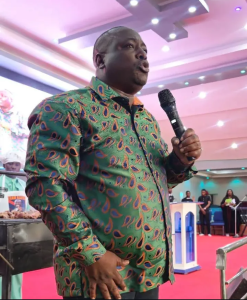
Pastor Victor Kanyari Roots in Faith: A Family Legacy
Pastor Kanyari is of the Kikuyu tribe, originating in the Mount Kenya region. His mother, Prophetess Lucy Nduta, is also in ministry, playing a crucial role in his spiritual upbringing and inspiring him to pursue a path of healing and ministry. Growing up in a household where faith and religious practice were central created a foundation for what would become Kanyari’s life work, though that path would prove far more complex and controversial than anyone might have anticipated.
The influence of his mother cannot be overstated in understanding Kanyari’s trajectory. In a country where prophetic ministries and healing churches have proliferated, having a mother who was already established in ministry provided both legitimacy and practical knowledge about how to navigate the religious landscape. This family connection to faith would remain a constant throughout all the ups and downs of his career, providing both support during difficult times and a legacy to uphold.
Pastor Kanyari established his church and began preaching after being converted in 2008. This conversion experience marked a turning point in his life, setting him on a path that would eventually lead to both tremendous popularity and enormous controversy. His early ministry years were characterized by the kind of energetic, miracle-focused preaching that has become common in Kenya’s competitive religious marketplace, where thousands of churches and ministries vie for congregants and their financial support.
Pastor Victor Kanyari Education and Early Development
Pastor Kanyari received his Kenyan Secondary Certificate of Education after completing his high school education in Kenya. Like many young Kenyans of his generation, he went through the standard educational system, though details about his specific schools and academic performance remain largely private. What is clear is that whatever formal education he received, it was his religious training and natural charisma that would define his career path.
The decision to enter full-time ministry rather than pursue other professional avenues is common among young people from religious families in Kenya, where the church represents not just spiritual community but also economic opportunity. For someone with Kanyari’s gifts in public speaking and his mother’s connections in the religious world, the path to pastoral ministry would have seemed both natural and promising.
The Rise of a Televangelist
His church served until 2017, when he left due to controversies. But before that departure, Pastor Kanyari had built a significant following, establishing himself as one of Nairobi’s prominent televangelists. His services were characterized by dramatic miracle claims, emotional worship services, and a focus on prosperity that resonated with many Kenyans struggling with poverty and seeking divine intervention in their circumstances.
The growth of his ministry coincided with the explosion of religious broadcasting in Kenya, where numerous television channels dedicated to Christian programming provided platforms for pastors to reach audiences far beyond their physical church buildings. Kanyari proved adept at using these media opportunities, developing a style that was engaging, accessible, and emotionally compelling. His services often featured testimonies of healing, financial breakthroughs, and other miraculous interventions, creating an atmosphere of expectation and possibility that drew people in.
During this period, Kanyari became known for his trademark phrase and practice that would eventually become both his calling card and his downfall. He encouraged his followers to plant financial seeds with specific monetary amounts, promising miraculous returns and divine interventions in exchange. This prosperity gospel approach, while controversial to some, found a receptive audience among many Kenyans who were desperate for change in their difficult circumstances.
The “Mbegu ya 310” Scandal: Pastor Victor Kanyari Fall from Grace
Kanyari’s church rose to fame after an exposé known as “mbegu ya 310” came to light. The exposé was done in 2014 when the pastor was accused of duping Kenyans into sending him money so that they could receive miracles. He is best known for his memorable slogan, “Mbegu ya 310,” which translates to “seed of 310,” referring to the specific amount in Kenyan shillings that he requested from followers.
The scandal broke when KTN, one of Kenya’s major television stations, conducted an undercover investigation into Kanyari’s ministry. The exposé revealed what investigators claimed was an elaborate scheme of staged miracles and orchestrated testimonies designed to convince people to send money to the pastor. Hidden cameras captured what appeared to be coached “miracle recipients” who had been paid to give false testimonies during church services. The investigation also revealed the systematic way followers were encouraged to send exactly 310 shillings through mobile money platforms, with promises that this “seed” would result in miraculous healings, financial breakthroughs, and answered prayers.
The revelation sent shockwaves through Kenya, where religious fraud had been a growing concern but where few high-profile pastors had been so thoroughly exposed. The coverage was extensive, with clips from the exposé going viral on social media and dominating news coverage for weeks. Kenyans who had sent money to the ministry felt betrayed, while critics of prosperity gospel preaching used the scandal as evidence of widespread exploitation in the name of religion.
The phrase “Panda Mbegu” became a popular catchphrase in Kenyan culture, often used mockingly to reference anyone trying to scam others or make easy money through dubious means. Songs, memes, and jokes referencing the scandal proliferated, ensuring that Kanyari’s name became synonymous with religious deception in the public consciousness. For many, he became the face of everything wrong with modern televangelism in Kenya.
The controversy led to the closure of the church, marking what seemed like the end of Pastor Kanyari’s ministry career. Congregants abandoned the church in droves, partners cut ties, and the pastor found himself isolated and disgraced. For most public figures, such a comprehensive fall from grace would have meant permanent retirement from public life. But Kanyari would prove more resilient, or perhaps more persistent, than his critics expected.
Pastor Victor Kanyari Rebranding and Return
Until 2017 when the pastor rebranded and relaunched his church. He also changed his name from Pastor Kanyari to Pastor Mwangi. This rebranding represented an attempt to distance himself from the scandal while maintaining a presence in ministry. The name change to Pastor Mwangi was strategic, using his middle name to create psychological distance from the toxic associations with “Pastor Kanyari,” though most Kenyans continued to refer to him by his more famous surname.
He later returned in 2019 and founded Salvation Healing Ministry. This marked his official re-entry into public ministry, though it was a much more modest operation than his pre-scandal empire. The new church was smaller, the media presence more carefully controlled, and the congregation largely made up of people who either believed he had been unfairly targeted or who were willing to give him a second chance.
The decision to return to ministry after such a publicized scandal was bold, even audacious. In a country where public disgrace often means permanent social exile, Kanyari’s choice to re-establish himself in the exact field from which he had been disgraced demonstrated either remarkable courage or remarkable shamelessness, depending on one’s perspective. His critics saw it as proof of his lack of genuine remorse and his continued desire to exploit believers, while his supporters viewed it as redemption and a testament to God’s forgiveness and restoration.
After rebranding, the controversial pastor also launched several TV stations including SHIFU TV, Prophetic TV, Vicka TV, Dunny TV and Rockwell FM. This multimedia expansion showed that Kanyari had learned from his experience the importance of controlling one’s own media narrative. Rather than relying on mainstream television channels that might turn critical, he created his own platforms where he could present his message without editorial interference. These stations broadcast his services, teachings, and the testimonies of his followers, creating an echo chamber that reinforced his message and protected him from critical scrutiny.
Pastor Victor Kanyari Personal Life: Marriage and Family
Pastor Kanyari was previously married to notorious gospel singer Betty Bayo with whom he has a daughter and son. Betty Bayo was a well-known figure in Kenya’s gospel music scene, and their marriage brought together two prominent personalities in the Christian entertainment world. The couple’s relationship was often in the public eye, with both leveraging their platforms to support each other’s careers and ministries.
Unfortunately, the two ministers divorced following multiple misunderstandings. The breakdown of their marriage occurred during or shortly after the “Mbegu ya 310” scandal, though whether the scandal caused the divorce or merely accelerated existing problems remains unclear. Betty Bayo has been relatively quiet about the specific reasons for their split, though she has given interviews discussing the challenges of being married to someone in ministry and the difficulties that came with public scrutiny.
Despite their divorce, the former couple has maintained a co-parenting relationship for the sake of their two children. This arrangement has required both parties to set aside whatever personal grievances they might have to ensure their children’s wellbeing. Over the years, both Kanyari and Betty have spoken about the importance of putting their children first, and they have occasionally appeared together at family events, demonstrating a level of maturity that has earned respect even from their critics.
In recent years, Betty Bayo remarried, finding love with a man named Tash who was known for being more private and staying out of the limelight compared to her first husband. This new relationship seemed to bring her happiness and stability, and she often posted about her gratitude for her second chance at love. Throughout this period, Pastor Kanyari maintained cordial relations with Betty’s new husband, understanding that this man was now helping to raise his children and wanting to ensure a peaceful family dynamic.
The Devastating Loss of Betty Bayo
Betty Bayo passed away on Monday, November 10, at the Kenyatta National Hospital, where she had been receiving treatment for blood cancer, which she had battled for a couple of weeks. The news of her death sent shockwaves through Kenya’s gospel music community and beyond. During a press conference on Wednesday, November 12, Kanyari revealed he only learned of her illness after she passed on.
According to details shared during a family briefing, Betty had been unwell for about a week before her death. She was first admitted to AAR Hospital along Kiambu Road before being transferred to Kenyatta National Hospital. Kanyari, who appeared at the briefing alongside Betty’s husband, said he was unaware that she had fallen ill. “Why didn’t you tell me?… I have heard one week?” he reportedly said to some mourners, alluding that he was out of the loop about Betty’s health situation.
The revelation that he hadn’t been informed about his ex-wife’s illness highlighted the complicated nature of co-parenting after divorce, especially when one party has remarried. Kanyari recalled finding a missed call on his phone the morning the news broke. He said he suspected it might have been from Betty or their daughter. The thought that Betty might have been trying to reach him before her death added an extra layer of pain to an already devastating situation.
Kanyari reacted to critics who have been wondering why he has been mourning ‘louder’ than the singer’s widower. Kanyari said he respects Tash as Betty’s husband, but insisted everyone has a different manner of mourning, further describing himself as emotional. “Everyone has their own style of mourning. I am an emotional person, and in fact I am trying to control myself.”
Kanyari admitted he had never stopped loving Betty despite the end of their marriage. He said that when she was alive, he had to keep boundaries because of her marriage to Tash. “I am not the one who left Betty. She woke up one day and told me the relationship was over. And I respected that. But we never stopped talking. We would talk on the phone for even thirty minutes, and we would laugh,” he said.
This admission revealed the complexity of their post-divorce relationship. While they had moved on officially, with Betty remarrying and Kanyari focusing on rebuilding his ministry, there remained an emotional connection that transcended their separation. He said he intends to continue his cordial relationship with Tash because he respects him as the man who took care of his children.
On his verified Facebook page, Kanyari has shared a series of emotional messages reflecting on his loss. In one post, he wrote, “It hurts in ways I can’t explain. You left before I could say everything I needed to. I still see you in every laugh our children give, in every little habit that reminds me of you.”
A day later, Kanyari thanked fans, family, and national leaders for their support following the transfer of her body from Kenyatta National Hospital to the Kenyatta University funeral home. “Today has been one of the hardest days of my life…. I want to thank every single one of you who has stood by me during this difficult time,” he wrote. He also expressed gratitude to President William Ruto, Deputy President Kithure Kindiki, and former Deputy President Rigathi Gachagua for their condolences, saying their compassion meant more than words could express.
The public mourning demonstrated that despite their complicated history and the scandal that had tainted Kanyari’s reputation, he retained enough standing to receive condolences from the highest levels of Kenyan government. It also showed that his relationship with Betty had been genuine and meaningful, whatever the circumstances of their marriage and its dissolution. Kanyari has promised to take care of their children following her death, a commitment that many hope will honor Betty’s memory and provide stability for the young people who have now lost their mother.
Pastor Victor Kanyari Family Tragedy: The Murder of Starlet Wahu
Pastor Kanyari is also the brother to the late Starlet Wahu who was murdered tragically in January 2024. Starlet Wahu Mwangi, the sister of controversial preacher Pastor Victor Kanyari, was brutally murdered on the night of January 3, 2024, at an Airbnb in South B, Nairobi. The popular socialite Wahu’s lifeless body was discovered lying in a pool of blood inside the apartment after what began as a seemingly ordinary night out.
Starlet, a prominent figure in the beauty world known for her designer clothes and shoes business, shared glimpses of her vibrant life on social media. Starlet who was also known as Icey Wife maintained an active presence on Instagram and Facebook, where she showcased her fashion sense and lifestyle. Her last post was a video she put up on December 27th which showcased her stylish figure in a stunning bodycon dress. The fashion and beauty aficionado could be seen admiring her wig inside her pricy car.
Starlet Wahu Mwangi, a university graduate who had spent years living in the USA, found herself ensnared in a deceptive online relationship. According to Kanyari’s revelations, Wahu, a socialite with a substantial Instagram following, encountered John Matara on Facebook. What seemed like a genuine connection turned out to be a ploy to exploit her financially.
Pastor Kanyari told the Nairobi News, “We had not seen the man before. We learned about him after her death. This is so tragic for us, the family, and even her friends. May her soul rest in peace.” He expressed shock over the tragedy as he recalled the last time he saw his sister on New Year’s Eve during a family get-together. “I am heartbroken; she was doing so well in life.”
Kanyari narrated to his congregants: “Ilipofika saa nane usiku, aliamua kunipigia simu lakini sikuichukua. Nadhani wakati huu mwanaume yule aliitisha dada yangu pesa, labda akakua resistant na wakaanza kupigana kule ndani,” explaining that around two in the morning, his sister tried calling him but he didn’t pick up, and he believes this was when the man was demanding money from her.
At 3 am, Matara’s true intentions surfaced as he demanded Sh500,000 from Wahu. Refusing to succumb to the extortion, Wahu exhibited resilience. Kanyari narrated the confrontation, “My sister resisted, and the two started fighting; the man removed a knife and then stabbed Wahu three times, with the wounds being on the neck and thighs.”
The autopsy examination confirmed Starlet Wahu died due to a haemorrhage injury caused by a penetrating stab wound on the main blood vessel on the right thigh. The deceased also had signs of strangulation. After the fatal attack, Wahu found herself defenseless, trapped behind a padlocked door.
In the aftermath of the fatal altercation, Kanyari revealed the family’s decision to swiftly lay Wahu to rest. The fear of media scrutiny and public judgment prompted a hurried burial on January 6, attended by a small gathering of 20 people. This quick burial sparked considerable debate in Kenya, with many questioning why the family moved so rapidly. The decision reflected the family’s awareness of their public profile and their desire to avoid having Starlet’s death become tabloid fodder, especially given some of the circumstances surrounding her lifestyle.
Amidst the grief, Kanyari defended his late sister’s right to live life on her terms. He maintained that his late sister was not saved, and she was well within her rights to enjoy life, take alcohol, and so on. This statement was both honest and compassionate, acknowledging that Starlet had not shared his religious path while refusing to condemn her for it. In a context where many religious figures would have used such a tragedy to preach about the wages of sin, Kanyari’s approach showed genuine love for his sister and a recognition that people have different life choices.
In an interview with Nairobi News, Kanyari expressed his family’s determination to seek justice for their slain kin. “We are very optimistic that we will finally get justice despite the big loss. We know we will not see our sister again, but we do not want another family to suffer in the same measures as us,” he asserted.
The loss of Wahu has deeply affected their mother, according to Kanyari. “Our mum was affected the most. This was her lastborn child. How we are helping her cope is by making sure that there are people around her all the time. We, as her children, visit her every day and spend time with her,” he added.
During a church service, Pastor Kanyari shared a conversation he had with his mother, Lucy Nduta. In his emotional address, the televangelist spoke about the painful loss of his sister and his mother’s hopes for her future, which were tragically cut short. He used this personal tragedy to deliver a message to his congregation about not placing all one’s hopes on children, sharing his mother’s grief that she had expected Starlet to care for her in old age.
Pastor Victor Kanyari Building Wealth Despite Controversy
Pastor Kanyari owns a multi-billion palatial home along Kangundo Road and has posted a photo of him holding a bundle of notes. He has been ranked among top eight richest pastors in Kenya. This wealth remains a source of controversy, with critics pointing to it as evidence that he profited from the very practices that led to his 2014 scandal. However, Kanyari and his supporters argue that his wealth comes from legitimate business ventures and the voluntary offerings of people who believe in his ministry.
The display of wealth is not uncommon among prosperity gospel preachers, who often argue that their financial success is evidence of God’s blessing and a model for what their followers can achieve. Kanyari has never hidden his affluence, occasionally posting images of his home, cars, and lifestyle on social media. For some, this transparency is refreshing; for others, it’s offensive given the poverty of many Kenyans and the history of the “310 shillings” scandal.
His financial success post-scandal raises questions about accountability in Kenya’s religious sector. Despite the exposé and public disgrace, there were no criminal charges filed against Kanyari, and he faced no regulatory penalties. This lack of consequences reflects the challenges of policing religious activities in a country where freedom of religion is constitutionally protected and where the line between legitimate religious practice and fraud can be difficult to define legally.
Pastor Victor Kanyari Social Media Evangelist
In recent years, Pastor Kanyari has embraced social media platforms, particularly TikTok, as a way to reach new audiences and rehabilitate his image. A young fan had been an avid follower of his work on Facebook and TikTok. Her admiration and engagement on these platforms had caught his attention. He regularly posts videos of his church services, personal messages, and interactions with followers, building a new generation of supporters who may not even be aware of the 2014 scandal.
His social media strategy has been notably generous, with frequent giveaways of money to followers and church members. Pastor Kanyari made a heartwarming gesture by gifting a young fan KSh 8,000 during a church service. Wanting to acknowledge her loyalty, Kanyari called the young girl and her mother to the pulpit, where he was seated. To emphasise the significance of his gesture, he counted each KSh 1,000 note slowly in front of the congregation before handing it to her.
These public displays of generosity serve multiple purposes. They demonstrate that Kanyari still has financial resources, they create compelling content that gets shared widely online, they generate goodwill among recipients and viewers, and they subtly suggest that following Kanyari can lead to material blessings. Critics see these acts as manipulative, designed to create obligation and attract vulnerable people back into his orbit. Supporters view them as genuine expressions of pastoral care and evidence of a changed heart.
Pastor Victor Kanyari Unconventional Ministry Methods
In a move that has left many Kenyans bewildered, Pastor Victor Mwangi Kanyari of Salvation Healing Ministry hosted a nyama choma session during a Sunday service at his Nairobi church. A video that quickly went viral on social media showed the usually solemn church pulpit transformed into a makeshift kitchen, where cooks grilled nyama choma inside the worship hall. The aroma of roasted meat seemingly filled the air as congregants sang praises and danced joyfully. Kanyari was seen dancing enthusiastically on stage alongside the praise team while the meat roasted in the background.
Reports indicated that the nyama choma was prepared for members who had contributed Sh300 to the church welfare fund, with others enjoying the atmosphere and the tantalising smell from afar. The amount of 300 shillings, so close to the infamous 310 of his scandal, could not have been chosen accidentally. Whether it was a deliberate reference or a tone-deaf coincidence, it demonstrated Kanyari’s willingness to push boundaries and court controversy.
The unusual service attracted widespread attention, sparking both admiration and criticism from Kenyans online. Some praised the pastor for fostering a lively and community-focused atmosphere, while others questioned the appropriateness of combining a traditional social event like nyama choma with church worship.
This incident exemplifies Kanyari’s approach to ministry in his post-scandal career: unconventional, attention-grabbing, and unafraid of criticism. Where many disgraced public figures would try to fly under the radar and slowly rebuild their reputations through quiet good works, Kanyari has chosen the opposite path. He embraces spectacle, generates viral moments, and seems to operate on the principle that all publicity is good publicity. Whether this strategy represents genuine confidence, calculated manipulation, or simple recklessness remains a matter of debate.
Pastor Victor Kanyari Political Aspirations?
A group of young men endorsed renowned televangelist Pastor Victor Kanyari for president in 2027. They praised the preacher’s generosity, claiming he offers more than President William Ruto. During a church service at his Salvation Healing Ministry, the group of youthful supporters publicly hailed him and expressed their confidence that he would make a great leader. They specifically encouraged him to run for president, promising to back his candidacy and deliver him a win against President William Ruto, who is expected to seek reelection.
Despite the public endorsement and loud calls for him to enter politics, Kanyari did not verbally respond to the proposal. Instead, he simply smiled, leaving his congregation and online followers to speculate on whether he would consider the challenge.
The idea of Pastor Kanyari running for political office might seem far-fetched, but in Kenya’s political landscape, where celebrity and notoriety can translate into electoral success, it’s not entirely implausible. Several controversial figures have successfully transitioned from other fields into politics, and the enthusiasm of his supporters suggests at least some base of political support. However, whether Kanyari has genuine political ambitions or whether this was simply an enthusiastic gesture from supporters remains unclear.
Pastor Victor Kanyari Legacy and Impact on Kenyan Christianity
Pastor Kanyari’s story raises important questions about faith, accountability, and redemption in contemporary African Christianity. His ministry represents both the promise and the peril of the prosperity gospel movement that has swept across Kenya and much of Africa. On one hand, these churches offer hope to people living in difficult circumstances, provide community support, and sometimes genuinely help people improve their lives. On the other hand, they can exploit vulnerable people, prioritize financial giving over spiritual development, and create systems where pastors amass wealth while their congregants remain poor.
The “Mbegu ya 310” scandal was supposed to be a turning point, a moment when Kenyans would reject such practices and demand accountability from religious leaders. Instead, Kanyari’s ability to rebuild his ministry demonstrates the resilience of these movements and the complicated relationship Kenyans have with their religious leaders. Despite knowing about the exposé, people still attend his church, send him money, and seek his prayers. This reality suggests that for many followers, the need for hope and the desire for divine intervention outweigh concerns about past scandals.
Kanyari’s flamboyant and unconventional approach to ministry has also influenced other pastors, some of whom have adopted similar attention-grabbing tactics. His success at remaining relevant despite disgrace has provided a roadmap for other controversial religious figures, showing that in the social media age, scandal can be weathered and even transformed into a form of fame.
The Man Behind the Controversy
Understanding Pastor Kanyari requires looking past the scandal and the spectacle to recognize a more complex individual. He is a man who grew up in a religious household, who watched his mother minister to others, and who believed he had a calling to do the same. Whether that calling was genuine or whether it was always primarily about money and power is something perhaps only Kanyari himself truly knows.
What is clear is that he possesses genuine charisma and an ability to connect with people, particularly those who feel marginalized or desperate. His willingness to be emotional in public, to admit vulnerability, and to acknowledge his own struggles has endeared him to many who see in him a flawed but relatable figure rather than a polished religious professional. When he speaks about missing his sister’s call before her death, or about still loving his ex-wife, or about his mother’s grief, he reveals a human side that complicates the simple narrative of “con artist preacher.”
At the same time, his continued practice of soliciting specific financial amounts from followers, his ostentatious displays of wealth, and his apparent lack of substantive reform in his ministry practices suggest that whatever lessons he learned from the 2014 scandal, changing his fundamental approach to ministry was not among them. He has rebranded but not reformed, returning to public ministry with the same prosperity gospel message that got him in trouble in the first place.
Pastor Victor Kanyari Moving Forward: What’s Next?
As Pastor Kanyari enters his early forties, the question remains: what will be his ultimate legacy? Will he be remembered primarily as the “310 pastor,” forever associated with scandal and deception? Or will his story become one of redemption, of a man who fell, learned from his mistakes, and rebuilt something meaningful?
The deaths of both his ex-wife Betty Bayo and his sister Starlet Wahu in 2024 have added new dimensions to his public narrative. These personal tragedies have shown a more vulnerable side of Kanyari and have earned him sympathy even from some critics. How he handles single parenthood for his two children, how he honors Betty’s memory, and how he processes the trauma of losing his sister will shape public perception of his character beyond his ministry controversies.
His continued relevance on social media suggests he has successfully adapted to changing communication landscapes. Whether this digital presence will translate into long-term institutional stability for his church or whether it’s just another phase in a career marked by dramatic rises and falls remains to be seen. The younger generation discovering him through TikTok may provide a new base of support untainted by knowledge of past controversies, or they may simply be the latest in a long line of people who will eventually feel exploited.
The political endorsement, however tongue-in-cheek it might have been, points to another possible future: Pastor Kanyari as a political figure. In Kenya’s complex political landscape, where ethnicity, patronage, and personality often matter more than policy, a charismatic figure with name recognition and a devoted following could potentially win elected office. Whether Kanyari would seriously consider such a path, and whether Kenyan voters would support him, remains speculative but not impossible.

Frequently Asked Questions about Pastor Victor Kanyari
Who is Pastor Kanyari and why is he famous in Kenya?
Pastor Victor Mwangi Kanyari is a Kenyan televangelist born in March 1983 in Loitoktok, Kajiado County, who serves as the founder and senior pastor of Salvation Healing Ministry in Nairobi. He became one of Kenya’s most infamous religious figures following a 2014 scandal known as “Mbegu ya 310,” when an investigative exposé by KTN revealed allegations that he was staging fake miracles and manipulating followers into sending him 310 Kenyan shillings with promises of divine blessings and miracles. The scandal led to the closure of his church and made him a national symbol of religious exploitation. Despite this disgrace, he rebranded himself as Pastor Mwangi, relaunched his ministry in 2019, and has rebuilt a following through social media platforms like TikTok and Facebook. His unconventional ministry methods, including hosting a nyama choma barbecue session during a church service and frequent cash giveaways to followers, continue to generate controversy and keep him in the public eye.
What happened to Pastor Kanyari’s sister Starlet Wahu?
Starlet Wahu Mwangi, Pastor Kanyari’s younger sister, was brutally murdered on January 3, 2024, at an Airbnb apartment in South B, Nairobi. The twenty-four-year-old socialite.
Leave a Reply