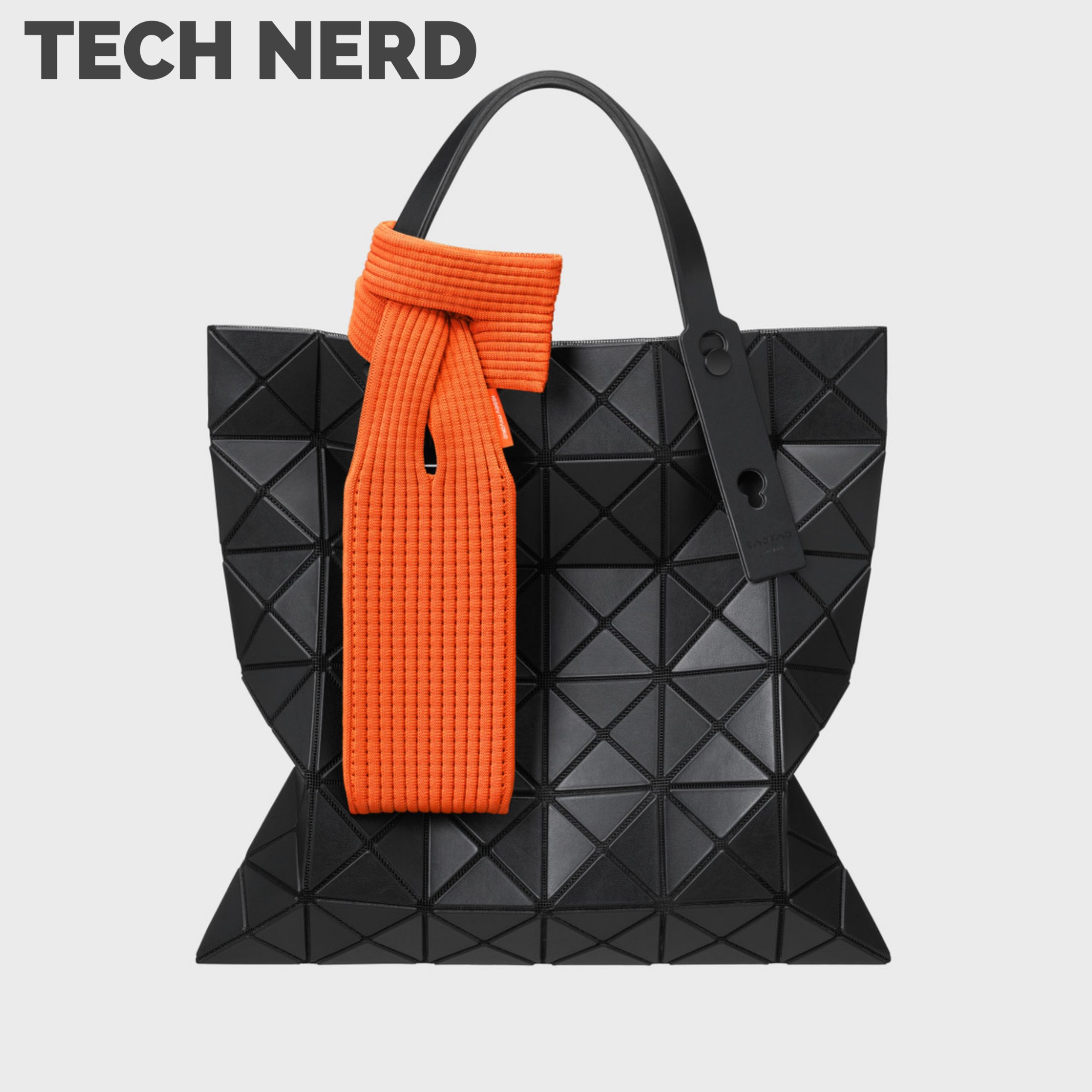

The accessory market has rarely witnessed a launch event that so perfectly married widespread social media mockery with instantaneous, overwhelming consumer frenzy. When a high-priced, knitted phone carrier hit the shelves, critics were quick to dismiss it, comparing the item to a ridiculously “expensive sock” and questioning its very necessity. Yet, this wave of online skepticism did nothing to dampen demand; in fact, the controversy arguably amplified its eventual, dramatic sell-out. Priced at $149.95 for the short strap and escalating to $229.95 for the long strap in the U.S. market, the accessory carried a price tag approaching that of functional devices, such as the entry-level Apple Watch SE.
Despite this high entry point, the product vanished globally within minutes of its release. Crowds formed outside Apple’s designated retail locations—scenes more familiar to major luxury sneaker drops than to a consumer electronics launch. This was due to a hyper-exclusive distribution strategy: the product was stocked in only ten physical Apple Stores worldwide, with the SoHo store in New York serving as the sole U.S. location. Online shoppers fared no better, seeing the “sold out” tag appear across every color and size option before the day was through. Crucially, the accessory was explicitly labeled a “limited edition” and was not offered on backorder, establishing a definitive and absolute cap on supply. The immediate consequence of this engineered scarcity was an astronomical surge in value, transforming the accessory from a retail product into a high-value commodity on the secondary market almost instantaneously, with verified resale prices climbing as high as $3,000.
B. The Big Reveal: A Nexus of Design
This improbable market event was the culmination of the official collaboration between the technology titan, Apple, and the revered Japanese fashion house, Issey Miyake. Officially unveiled as the “iPhone Pocket,” this limited-edition accessory is not simply a phone case or a pouch, but rather a wearable reinterpretation of fundamental textile design. The accessory represents a precise convergence of Apple Design Studio’s focus on simplicity and Miyake Design Studio’s groundbreaking work in material science.
The iPhone Pocket is distinguished by its singular 3D-knitted construction, meticulously crafted in Japan. Its foundational inspiration is drawn directly from Miyake’s philosophy of A Piece of Cloth, or A-POC, which seeks to maximize utility and minimize waste. The final design incorporates a ribbed, open-mesh knit structure that faithfully echoes the aesthetic qualities of Issey Miyake’s iconic pleats. The functionality is elegant: the mesh is designed to fully enclose the iPhone and can expand to fit small everyday essentials, such as AirPods or keys. Available in both a short strap version for wrist or bag attachment and a long strap for cross-body wear, the iPhone Pocket formally positions the smartphone not as a device to be protected, but as an integral, personalized element of high fashion apparel.
C. Thesis Statement: The Convergence of Design, Legacy, and Scarcity
The iPhone Pocket’s spectacular launch success reveals that this accessory is far more than a functional phone carrier; it is a significant cultural artifact whose value is derived from a meticulous synthesis of high fashion design history, curated corporate legacy, and an aggressive scarcity marketing strategy. Its immediate desirability was forged by three high-leverage domains. First, it directly taps into the revolutionary material engineering tradition of Issey Miyake’s textile innovations, particularly the influential A-POC concept. Second, it formally canonizes the long-standing, mutual philosophical respect between Apple and the late designer, a relationship famously symbolized by Steve Jobs’s signature black turtleneck. Finally, the highly constrained, limited-edition drop successfully leveraged the consumer’s fear of missing out (FOMO) and instantly elevated the product into the realm of the collectible commodity, guaranteeing its status as a highly sought-after, non-fungible item for design and tech enthusiasts worldwide.
Architecture of Innovation: Decoding the A-POC and 3D Knitting
A. Miyake’s A-POC Philosophy: A Heritage of Material Science
To understand the iPhone Pocket is to understand the legacy of Issey Miyake’s fundamental material philosophy, which sought to redefine clothing as a form of applied science. The core conceptual inspiration for the accessory, A Piece of Cloth (A-POC), was first introduced in 1997 and 1998. This revolutionary concept involved feeding a single thread into a computerized industrial knitting or weaving machine, which was programmed to produce entire rolls of fabric pre-sewn or pre-patterned for multiple garments. This process dramatically reduced textile waste and provided a new, mass-producible form of clothing.
Miyake’s entire approach, exemplified by the Pleats Please line, was a reaction against the restrictive nature of traditional haute couture. He desired to create unstuffy, joyful clothes that were lightweight, easy to wear, machine-washable, and adaptable to the wearer’s body and movement, thereby offering “freedom of expression”. The iPhone Pocket serves as a modern micro-architectural translation of this concept. Yoshiyuki Miyamae, design director of MIYAKE DESIGN STUDIO, noted that the accessory explores “the joy of wearing iPhone in your own way,” emphasizing that the simplicity of the design is meant to be “less defined to allow for possibilities and personal interpretation”. This lineage grounds the accessory’s $230 price point not in superficial branding, but in decades of rigorous textile research and development, providing a material pedigree essential for its luxury positioning.
B. The 3D-Knitted Construction: Engineering the Pleat
The technical execution of the iPhone Pocket utilizes Miyake’s advanced capabilities. The accessory was crafted entirely in Japan using a singular 3D-knitted construction. This method builds upon the A-POC principle, where the industrial process converts a single thread into the final, textured form of the accessory. This approach ensures that the textile itself embodies the intended design, rather than being cut and assembled later.
The functional brilliance of the design lies in its ribbed, open-mesh structure. This material, engineered specifically for function and appearance, incorporates the signature pleated quality of Miyake’s work. This ribbed knit allows the material to behave dynamically: it fully encloses the iPhone when relaxed, securing the device, but possesses the flexibility to expand, subtly revealing its contents when stretched, which can include AirPods, keys, or other “pocketable items”. The seamless integration of this advanced textile architecture demonstrates that for this collaboration, Apple extended its standard definition of sophisticated industrial design beyond metals and glass to formally recognize and incorporate proprietary, high-end material science. This strategic move highlights that design innovation in specialized soft goods is now viewed as an integral path for future premium Apple accessories. Furthermore, by drawing directly on the A-POC technology, which inherently minimizes fabric offcuts and manufacturing waste, the product connects Miyake’s historical commitment to sustainable production with contemporary design goals.
The Legacy Factor: Apple, Jobs, and the Philosophy of Essentialism
A. The Enduring Jobs-Miyake Connection
The collaboration is far from arbitrary; it formally cements an aesthetic and philosophical alignment established decades ago between the two design giants. The foundational connection is famously rooted in the black turtleneck that became the uniform of the late Steve Jobs, which was designed by Issey Miyake. This history signifies a mutual intellectual respect that permeates the two companies’ design ideologies. Both Apple and Miyake have consistently adhered to a philosophy of elegant simplicity, focusing on taking regular materials and “meticulously assembl[ing] them in elegant ways”.
This shared ethos means that both brands justify their premium pricing not just through physical materials, but through the intellectual property inherent in the “concept, placement” and brand narrative. By linking the iPhone Pocket back to this foundational relationship, Apple frames the accessory not merely as a peripheral item, but as a deliberate “tribute to a designer who shaped Apple’s aesthetic history”. This retrospective positioning transforms the accessory into a piece of curated corporate lore, intrinsically increasing its prestige and value to collectors and brand devotees.
B. The Product as a High-Fashion Statement
The iPhone Pocket signals Apple’s deeper engagement with the ongoing convergence of technology and luxury fashion. The mobile phone has already transitioned from a utilitarian device requiring protection to an integrated component of personal style. The iPhone Pocket formalizes this trend by offering a high-design, wearable solution for carrying the device cross-body, capitalizing on the growing consumer preference for phone lanyards and slings.
The product’s success validates the strategy of migrating iPhone functionality into the high-margin luxury accessories category. Accessories remain the largest category in personal luxury goods, and they continue to see growth, making this a critical area for expansion. Unlike generic cases, the iPhone Pocket emphasizes personalization and aesthetic pairing. Available in a wide array of colors—including vibrant options like lemon, mandarin, and peacock for the short strap—users are encouraged to “mix and match” and style the item with their outfit and iPhone model. The focus here is on the joy of personal expression and versatile wearing options, aligning precisely with Miyake’s design mission of ensuring wearers have freedom and delight. This positioning ensures the product appeals specifically to design enthusiasts and fashion-minded users who prioritize stylistic integration over basic utility.
Engineered Exclusivity: The Scarcity Marketing Masterclass
A. The Intentional Supply Constraint
The immediate, frenzied sell-out of the iPhone Pocket was a masterful demonstration of calculated scarcity marketing, a tactic perfected within the high-end streetwear and luxury goods markets. The distribution plan was intentionally restrictive: only ten physical stores worldwide were designated to carry the item, thereby guaranteeing minimal supply relative to global demand. This hyper-exclusivity generated intense competitive consumption, where the possibility of failure to purchase immediately amplified the desire, particularly among collectors and dedicated Miyake devotees.
The strategic brilliance lay in the timing and framing. The accessory was met with widespread mockery, yet this negative social media attention ultimately acted as free, powerful brand exposure. For luxury consumers, this dynamic—where the general public questions the product’s worth while it simultaneously becomes unobtainable—only heightens its cachet and intrinsic value. This engineered unavailability was critical, transforming the iPhone Pocket from a simple tech accessory into a coveted cultural commodity.
B. The Validation of the Secondary Market
The true measure of the scarcity strategy’s success is found in the immediate validation provided by the secondary market. Because Apple designated the product as a limited-edition drop and did not offer backorders, the total supply was fixed at a minimal level. This constraint led to immediate, dramatic asset inflation. Resellers were quickly listing and selling the iPhone Pocket—particularly the long strap version—at prices ranging from $1,500 to over $3,000.
This massive disparity between the $230 retail price and the multi-thousand-dollar secondary market valuation confirms that buyers were paying almost entirely for the co-branding, the guarantee of exclusivity, and the cultural capital the item conferred, rather than its material or functional utility. This performance placed the iPhone Pocket alongside highly sought-after collectible assets, cementing the success of the high-fashion drop model in the tech accessories space.
The deliberate choice to impose such severe limitations on supply resulted in minimal inventory risk for Apple while generating disproportionate brand cachet and securing a significant narrative foothold in the luxury fashion conversation. The strategy proves that when paired with a powerful design heritage, high price coupled with constrained supply reliably drives the perception of ultimate desirability.
The iPhone Pocket as a Harbinger of Fashion-Tech
The iPhone Pocket collaboration is a landmark product in the fashion-tech ecosystem. It successfully positions the smartphone not as mere utility, but as a central element of personal style, bridging the conceptual gap between Miyake’s advanced textile engineering and Apple’s rigorous industrial design principles. The accessory’s identity is founded upon design history, drawing directly from the revolutionary A-POC concept to deliver an item that is both technically sophisticated and aesthetically profound.
Most critically, the market performance of the iPhone Pocket confirms the viability of applying the luxury “drop culture” model to technology accessories. By limiting supply and leveraging exclusivity, Apple and Issey Miyake achieved immediate secondary market validation and generated extraordinary cultural relevance. The instant conversion of the $230 item into a highly valued collectible artifact validates a future strategic path for Apple: moving beyond mass-market protective gear and into the realm of highly exclusive, high-margin lifestyle accessories that trade on brand legacy, design authenticity, and engineered scarcity. The success of this launch signals that consumers are increasingly willing to pay extreme premiums for items that sit at the intersection of high performance and high fashion, provided those items possess a rich design narrative and guaranteed exclusivity.
What is the iPhone Pocket? (Design and Utility)
The iPhone Pocket is a limited-edition accessory that stands as a singular synthesis of textile innovation and technology integration, deliberately blurring the lines between a high-fashion accessory and a utilitarian device carrier.
Core Concept: The Heritage of 3D Knitting
The foundational design of the iPhone Pocket is rooted in the revolutionary textile philosophy of the Miyake Design Studio. The accessory is officially inspired by the concept of “a piece of cloth,” which seeks to maximize utility and minimize waste by creating clothing from a single, continuous thread.
Crafted entirely in Japan, the iPhone Pocket utilizes advanced 3D-knitting construction. This industrial process converts a singular thread into the final, seamless form of the accessory. The result is a ribbed, open-mesh textile that features the distinct aesthetic quality of Issey Miyake’s iconic pleats. This technical execution ensures the material itself embodies the design, rather than being a conventionally cut and stitched piece of fabric.
Functionality: An Expandable, Wearable Pocket
Designed in collaboration between Apple and MIYAKE DESIGN STUDIO, the iPhone Pocket functions as a minimalist, wearable pocket, intended to be a natural extension of the iPhone experience.
The genius of the ribbed knit structure is its dynamic utility:
- Enclosure and Protection: When relaxed, the knit material fully encloses and secures any iPhone model.
- Expansion: The open mesh construction allows the textile to stretch significantly, enabling it to carry more than just a smartphone. It is designed to accommodate small everyday essentials such as AirPods, keys, lip balm, or cards.
- Subtle Revelation: When stretched, the material subtly reveals its contents, allowing the user to peek at the iPhone screen or identify items inside without fully removing them.
As design director Yoshiyuki Miyamae noted, the simplicity of the design encourages a personal interpretation, giving the user “the joy of wearing iPhone in your own way”.
The Two Styles: Options for Personal Expression
The iPhone Pocket was released in two distinct, fixed-length styles, each serving a different purpose and featuring its own color palette:
| Style | Purpose | U.S. Retail Price | Color Palette |
| Short Strap | Designed for carrying on the wrist or attaching to a larger bag. | $149.95 | Offered in a wide range of vibrant colors: lemon, mandarin, purple, pink, peacock, sapphire, cinnamon, and black. |
| Long Strap | Designed for cross-body wear, formally positioning the iPhone as a functional fashion sling. | $229.95 | Offered in a more restricted, muted palette: sapphire, cinnamon, and black. |
The option to “mix and match” these lengths and colors with different iPhone finishes was a deliberate strategy to encourage personalization and style expression, fulfilling the brand’s mission to provide wearers with freedom and delight.
The Designer Price Tag and Nostalgia
The accessory’s most immediate point of contention upon release was its price, which instantly positioned it not as a standard accessory, but as a premium fashion artifact. The financial entry point alone forced a reassessment of what an Apple-branded product could, or should, cost.
Issey Miyake iPhone Pocket Price
The accessory’s financial entry point forced a reassessment of what an Apple-branded product could, or should, cost. The official iPhone Pocket price varied depending on the strap length, cementing its luxury position. The accessory was launched in two distinct versions, corresponding to its strap length and function:
- Short Strap Price: The wrist-wearable version retailed for $149.95 in the U.S. market.
- Long Strap Price: The cross-body sling version, designed for ultimate portability, was priced at $229.95.
This price structure placed the accessory firmly in the luxury category, with the longer, cross-body version approaching the cost of a functional device like the entry-level Apple Watch SE. This cost immediately fueled social media mockery, with critics widely comparing the sophisticated, 3D-knitted pouch to “a very expensive sock”.
Engineered Exclusivity: The Scarcity Marketing Masterclass
The launch of the iPhone Pocket served as a masterclass in calculated scarcity, deliberately bypassing the standard, high-volume availability model typical of Apple product releases. This was engineered to resemble a luxury “drop,” a strategy that immediately vaulted the accessory into the realm of the collectible.
Is the Apple Pocket Sold Out? Confirmation of an Engineered Rush
The definitive answer is yes, the iPhone Pocket sold out globally and nearly instantaneously. This rapid depletion of inventory occurred minutes after the official launch, both across online stores in markets like the U.S., China, and France, and in the highly constrained physical retail locations.
The rush was entirely intentional, driven by an extreme limitation on where the product could be purchased. Apple designated only ten physical flagship stores worldwide to stock the accessory, with New York’s SoHo store serving as the sole U.S. location. The spectacle culminated in crowds forming outside these select locations—scenes more characteristic of a high-end sneaker launch or a fashion week event than a typical technology product release.
Limited Edition: The Ultimate Marketing Tool
The accessory was explicitly positioned as a “limited edition” collaboration and, crucially, was not offered on backorder. This fixed and minimal supply was the foundational marketing mechanism. By applying the luxury scarcity model, Apple and Issey Miyake guaranteed that the possibility of failure to purchase—the fear of missing out (FOMO)—became the primary driver of consumption.
This intentional unavailability instantly transformed the iPhone Pocket from a product into a prestige asset, proving that for luxury goods, “scarcity, after all, is the ultimate marketing tool”.
Collectors vs. Consumers: The Mockery that Increased Cachet
The launch was met with a dramatic duality of reaction. On one side were mass-market consumers and social media users who mocked the high price, widely labeling the item a “very expensive sock” and questioning its necessity.
On the other side were design enthusiasts, Apple collectors, and devotees of the Miyake legacy. For this audience, the mockery only seemed to amplify the accessory’s allure. They viewed the iPhone Pocket not as a utilitarian gadget cover, but as a genuine piece of “collectible fashion statement” and “wearable art” that sits at the nexus of two iconic design philosophies. For these buyers, owning a piece of the limited supply was an investment in cultural capital, making the item irresistible despite, or perhaps because of, the public criticism.
The Resale Market: Asset Inflation
The immediate, absolute sell-out confirmed the efficacy of the scarcity model, leading to the inevitable outcome: dramatic asset inflation on the secondary market. Almost instantaneously, the accessory began appearing on resale platforms at highly inflated prices. The $229.95 long-strap version, in particular, saw verified resale listings climbing as high as $1,500 to over $3,000.
This extreme surge in value demonstrates that the primary demand was for exclusivity and brand prestige, rather than functional utility. The secondary market validated the iPhone Pocket’s status as a highly sought-after cultural commodity, cementing the success of the fashion-drop model in the tech accessory space.
Leave a Reply